
What If Rest Isn't Something You Have to Earn?

why slowing down isn't a luxury, but an essential part of living a happier, healthier and more balanced life.
I used to believe rest was something I earned after I'd finished everything on my to-do list. The problem was, the list was never finished…
There was always another email to answer, another yoga class to plan, another piece of work to complete or another person who needed something from me. Rest became something I would allow myself later, once I'd done enough. But "enough" was a constantly moving target, and before I knew it another day, week or month had slipped by without ever really slowing down.
Looking back, I realise I wasn't alone. We live in a culture that celebrates productivity and busyness. We're praised for working hard, pushing through and staying busy, while rest is often treated as something we earn once we've been sufficiently productive. It's hardly surprising that so many of us feel guilty when we stop.
Reading Katherine May's Wintering gave language to something I had been sensing for years but had never fully understood. Her book reminded me that winter isn't a season to endure or rush through. It's a necessary part of life's rhythm, offering a time to retreat, replenish and gather strength before growth begins again. It made me realise that perhaps the problem wasn't that I wasn't resting enough. The problem was that I had misunderstood what rest was for.
We Don't Expect This of Nature
One of the ideas that stayed with me long after I finished the book was how differently we treat ourselves from the natural world.
We marvel at the changing seasons without questioning them. We don't expect trees to blossom throughout winter or criticise the earth for lying quiet beneath the frost. We understand instinctively that periods of dormancy are essential for growth.
Yet somehow we expect something entirely different from ourselves.
We expect endless motivation, constant creativity and the same level of energy every single day of the year. When we inevitably feel tired, uninspired or in need of a break, we often see it as something to overcome rather than something to honour.
The more time I spend in nature, the more I wonder why we've become so uncomfortable with our own seasons.
Rest Isn't the Opposite of Productivity
For a long time I thought rest meant stopping. It felt passive, almost indulgent, as though I was stepping away from life rather than participating in it.
Now I see it very differently.
The periods when I slow down are often the moments when my best ideas quietly emerge. A gentle walk, an afternoon with a book, a restorative yoga practice or simply sitting in the garden with a cup of tea often gives me more clarity than another few hours at my desk ever could.
Rest doesn't take me away from my work. It allows me to return to it with more presence, creativity and perspective. Perhaps that's because rest isn't the opposite of productivity at all. It's the foundation that allows meaningful work to happen.
Making Space for Fallow Seasons
One of my favourite images in nature is that of a field lying fallow.
At first glance, it appears empty. Nothing seems to be growing. Nothing appears productive. Yet beneath the surface, the soil is quietly restoring itself, replenishing the nutrients needed for the next season of growth.
I think our lives need fallow seasons too.
There are times when we are called to slow down after illness, loss or burnout. There are seasons when life naturally asks us to turn inward, to reflect rather than strive, or simply to gather ourselves before taking the next step.
These periods can feel deeply uncomfortable because our culture tells us we should always be moving forwards. But nature offers a different perspective. Nothing blooms continuously. Every living thing moves through cycles of activity and rest.
Perhaps we are allowed to do the same.
What Rest Looks Like Now
Rest has become less about escaping life and more about paying attention to it.
Sometimes it looks like leaving my phone at home while I walk through the woods. Sometimes it's choosing an early night instead of another hour of work. Other days it's saying no to plans because I know my nervous system needs quiet more than conversation.
I've also learned that rest isn't only physical.
Sometimes the deepest form of rest is releasing the pressure to be constantly productive, to have everything figured out or to believe that my worth depends on how much I achieve.
The more I practise resting, the more I notice that I'm not becoming less engaged with life.
I'm becoming more present within it.
Katherine May's Wintering reminded me that rest isn't something we earn once everything else is finished. It's part of being human. Nature has never apologised for winter. The trees don't rush themselves into blossom, and the earth doesn't feel guilty for lying still. Everything moves according to its own rhythm, trusting that growth will return when the time is right.
Perhaps we can learn to trust our own rhythms in the same way.
If you've been feeling exhausted, overwhelmed or quietly longing for permission to slow down, maybe the invitation isn't to push harder. Maybe it's simply to pause. To rest without earning it. And to trust that, sometimes, the most important thing you can do is absolutely nothing at all.
Ready to slow down?
If you’re tired of living a life fuelled by caffeine and cortisol - caught in cycles of anxiety, overthinking, rushing, ruminating and people-pleasing - The Unhurried Woman is for you.
It’s a journey where you’re invited to step out of the rush, reconnect with yourself and begin creating a pace of life that feels more spacious, nourishing and true to you.
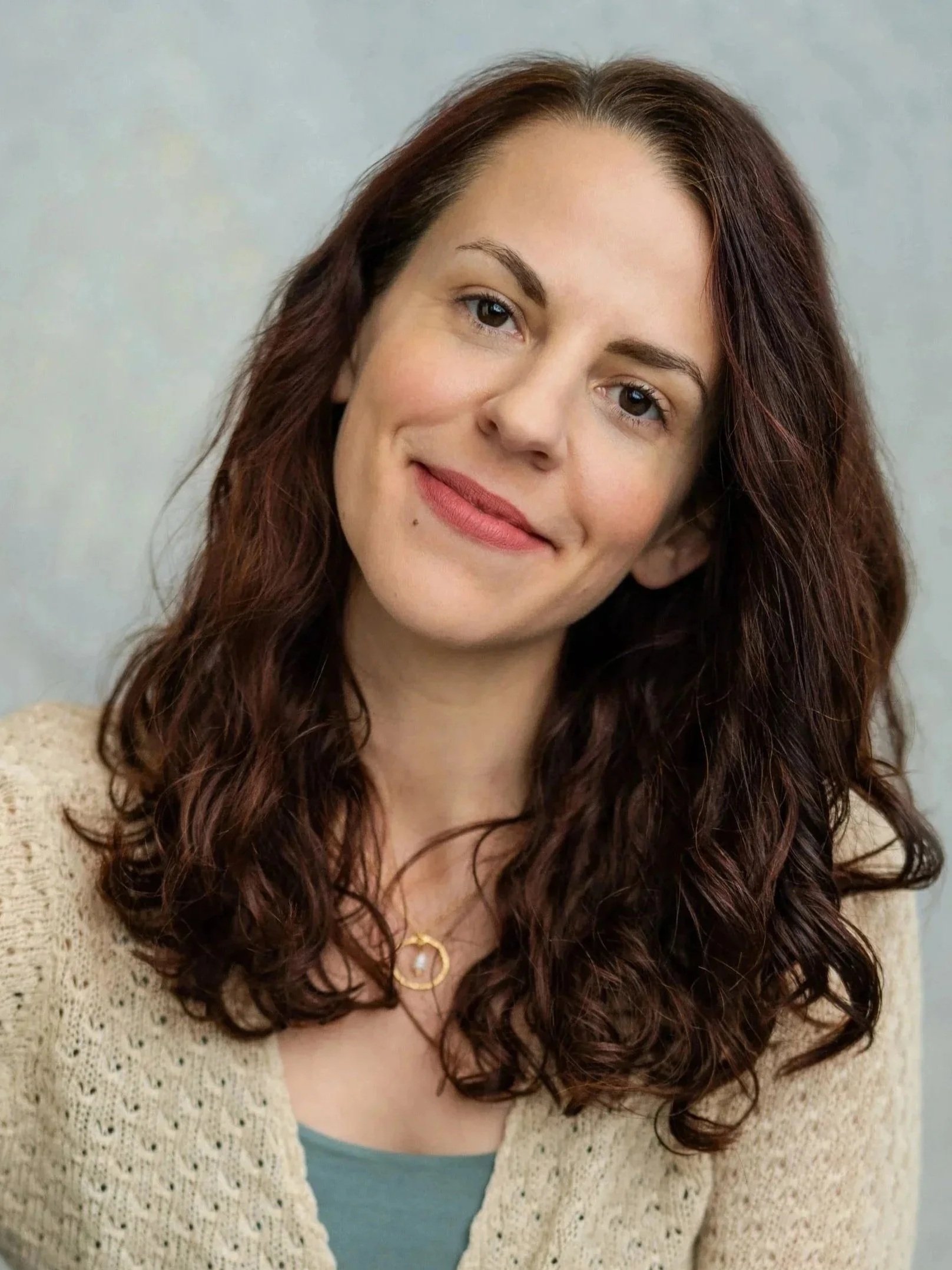
Hi, I’m Bea…
I help sensitive, purpose-driven women feel safe to rest, receive & thrive.
Through holistic coaching and restorative retreats, I help sensitive, purpose-driven women to slow down, reconnect with themselves and create a life that feels deeply aligned with who they are.
Because when your body remembers that it's safe, rest becomes possible. And from there, everything changes.
Enjoyed this article? You may also like:
Main photo by Max Andrey via Pexels.