
Cyclical Living: How to Work with Your Menstrual Cycle and Natural Rhythms
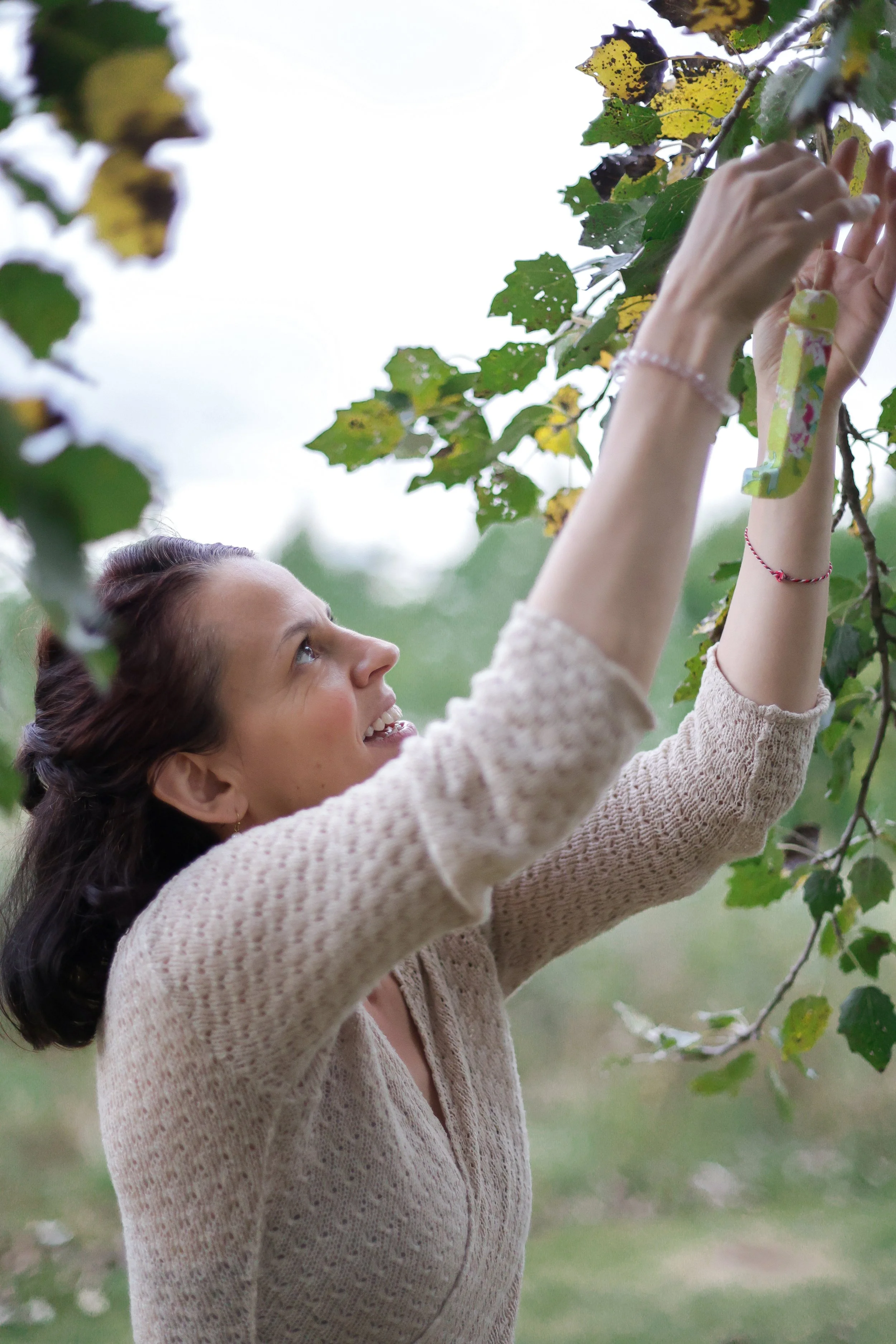
the reason you're burnt out isn't because you're doing too much—its because you're living against your natural rhythms.
We live in a world that expects us to perform at the same pace every day, yet our bodies were never designed to work that way. Discover how cyclical living can help you reconnect with your natural rhythms and create a more balanced way of living.
Have you ever found yourself wondering why life feels so hard when, on paper, everything looks fine? Perhaps you're constantly tired, even after a good night's sleep. You feel as though you're always rushing, always trying to catch up, yet never quite arriving. You tell yourself you just need to be more organised, more disciplined or somehow better at keeping all the plates spinning.
I know that feeling well.
For years, I believed the answer was to push a little harder and become a little more consistent. It wasn't until I began paying closer attention to my body and the changing seasons that I realised the problem wasn't me. I had simply been trying to live in a way that went against my own nature.
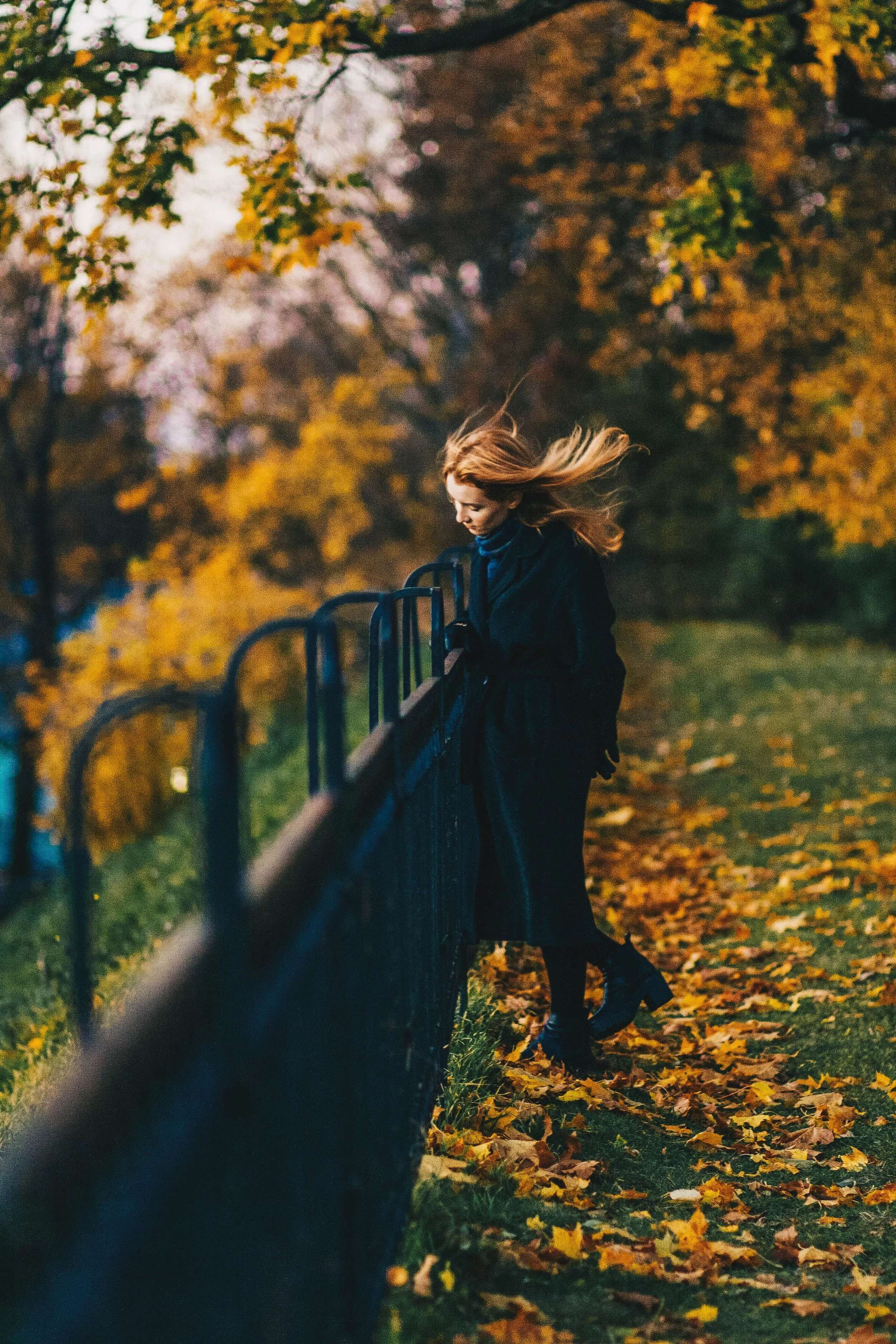
We are cyclical beings living in a world that expects us to be linear
We're expected to wake up with the same energy every day, perform at the same level every week and keep moving forwards regardless of the season, our age or what's happening in our lives and our bodies. Productivity is celebrated. Rest is often treated as something we have to earn.
Yet nature tells a very different story.
The trees don't bloom all year round. The moon waxes and wanes. Day gives way to night. The tides ebb and flow. Even our own bodies move through rhythms of activity and rest. We are surrounded by cycles, yet many of us have become disconnected from them.
Perhaps that's why so many women feel exhausted—not because we're failing to keep up, but because we've spent years trying to live against our own nature.
Just as the earth moves through its seasons, we too are cyclical beings—yet in today’s fast-paced, capitalist world, we often find ourselves disconnected from these rhythms.
We are naturally cyclical beings, yet we find ourselves living in a world that values linear progress, constant productivity, and speed. Capitalism, in many ways, has driven us away from our natural rhythms—our intuitive cycles. In this fast-paced world, youth is prized over age, night is turned into day, and out-of-season foods are available year-round. These artificial interventions keep us detached from the cyclical wisdom that surrounds us.
But what if we could reclaim those cycles? What if, even within the demands of modern life, we could reconnect with the rhythms of nature and our own bodies? Living cyclically in a capitalist world may be challenging, but it is not impossible. Here’s how you can embrace a more balanced and cyclical way of life.
Understanding Our Disconnection from Cycles
This disconnection isn't just affecting our connection to nature—it’s taking a toll on our mental health. In the UK alone, more than 1 in 7 adults report that their mental health is currently at its lowest point ever, with a larger proportion of women affected than men (18.5% of women vs. 12.5% of men). In 2024, “how to reduce stress” was one of the most frequently searched phrases in the UK, searched every 10 minutes on average.
Despite appearing fine on the surface, many people today struggle with burnout, anxiety, loneliness, and fatigue. Behind the curated social media posts and upbeat conversations, a silent battle is often fought.
Perhaps it's no coincidence that women are disproportionately affected by autoimmune diseases, with around 78 - 80% of people living with autoimmune conditions being female. While there's no single cause, researchers recognise that hormones, chronic stress and the immune system are deeply interconnected. In a culture that encourages women to override their needs, ignore their bodies and keep pushing through exhaustion, it's worth asking what happens when we lose touch with our natural rhythms. But one way to alleviate this constant pressure is by slowing down and embracing a more cyclical way of living.
What is Cyclical Living?
Cyclical living means aligning with the natural rhythms of life—understanding that life is not a straight line of continuous progress but a series of cycles. Whether it's the day turning into night, the waxing and waning of the moon, or the seasonal changes, cycles surround us. The key to cyclical living is recognising these rhythms and adjusting our pace and expectations accordingly.
One beautiful example of cyclical living can be seen in the tradition of the Harvest Festival in the UK. Historically, the festival was celebrated once the final crops had been brought in, and the community would come together for the Harvest Supper. This celebration marked the completion of a seasonal cycle, acknowledging the hard work and the role nature played in providing food.
In our modern world, however, we rarely pause to celebrate these cycles. We’re driven by deadlines, quarterly reports, and constant achievement. Yet living cyclically is about more than just honouring the seasons. It’s a way of being that acknowledges the natural ebb and flow of life and encourages us to slow down, reflect, and recharge.

Benefits of Embracing Cyclical Living
Mental Health Improvement: By aligning with natural cycles, you allow yourself time to rest and recover, which can help reduce anxiety and burnout.
Increased Productivity: Paradoxically, by slowing down and working with your energy levels (rather than forcing constant output), you can become more focused and efficient during your peak times.
Deeper Connection to Nature: Paying attention to the seasons, the moon phases, and your own internal rhythms fosters a stronger sense of connection to the natural world.
Balanced Lifestyle: Living cyclically encourages a balance between work and rest, action and reflection, helping you create a more sustainable lifestyle.
Reconnecting with your menstrual Cycle
One of the most powerful expressions of cyclical living exists within the female body itself. Our menstrual cycle is a natural rhythm that invites us to live in greater harmony with ourselves and with nature. Yet for generations, menstruation and menopause have been misunderstood, medicalised, or treated as inconveniences to overcome, leaving many women feeling disconnected from the wisdom of their own bodies.
In reality, the menstrual cycle is an extraordinary guide, offering insight into our energy, creativity, emotions and needs throughout the month.
The Red School describes the menstrual cycle through the metaphor of the Inner Seasons, a framework that completely transformed the way I understand my own body. Rather than expecting ourselves to feel and perform the same every day, the Inner Seasons invite us to embrace the natural ebb and flow of our energy.
Each phase of the cycle carries its own wisdom, inviting us to relate to ourselves in a different way.
Menstruation (Inner Winter) is a time for rest, reflection and turning inward.
The Follicular Phase (Inner Spring) brings renewed energy, curiosity and a desire to begin again, making it a wonderful time for new ideas and fresh projects.
Ovulation (Inner Summer) is often associated with vitality, confidence, connection and creativity.
The Luteal Phase (Inner Autumn) invites discernment, introspection and preparation, helping us notice what needs our attention before the cycle begins anew.
When we learn to work with these natural rhythms, rather than pushing against them, we can make choices that better support our wellbeing, relationships and work. Instead of judging ourselves for changing energy levels or emotions, we begin to see them as valuable information rather than problems to fix.
Menopause is also a profound transition within this cyclical journey. Rather than marking an ending, it can be understood as an initiation into a new season of life—one that invites women to redefine success, honour their changing needs, and cultivate a way of living that is guided by inner wisdom rather than external expectations. It offers an opportunity to slow down, reconnect with what truly matters, and step into the next chapter with greater authenticity and self-trust.
How to Practice Cyclical Living
Living cyclically in a capitalist world requires a conscious effort, but small changes can make a big difference. Here are a few practical ways to integrate cyclical living into your daily life:
Honour the Seasons: Reflect on the changes that each season brings. In the colder months, allow yourself to slow down, rest more, and engage in activities that recharge you. In the spring and summer, embrace periods of growth and action.
Tune into Your Natural Rhythms: Whether it's the phases of the moon, your sleep-wake cycle, or your menstrual cycle, start paying attention to the signals your body is giving you. Adjust your routine to honour these rhythms rather than push against them.
Take Breaks: Build regular pauses into your day. These could be short breaks throughout your workday or longer periods of rest during the week. Use this time to reflect and recharge, much like nature’s cyclical pause in winter.
Eat Seasonally: Try to eat foods that are in season and locally sourced. This not only helps you reconnect with the cycles of the earth but also supports your health and the environment. If you shop online, there is usually an ‘in-season’ section on the website. Seasonal produce tends to be cheaper because it does not have to travel as far, so it can save you money too.
Redefine Success: Instead of viewing success as continuous output and achievement, redefine it in a cyclical context. Celebrate periods of rest, reflection, and renewal as integral parts of success, just as important as periods of productivity.
Reclaiming the Power of Cycles
In a world that demands constant productivity and pushes us to operate at full speed, embracing a cyclical way of living can feel like a revolutionary act. By slowing down, listening to the wisdom of our bodies, and aligning with the rhythms of nature, we can create a life that is not only more balanced but also more meaningful.
Cyclical living reminds us that we are part of something larger—connected to the natural world, to each other, and the cycles of life. As we rediscover this ancient wisdom, we can reclaim a sense of inner peace and fulfilment that goes far beyond the demands of modern capitalism.
Ready to Reconnect with Your Cyclical Nature?
If you’re tired of living a life fuelled by caffeine and cortisol - caught in cycles of anxiety, overthinking, rushing, ruminating and people-pleasing - The Unhurried Woman is for you.
It’s a journey where you’re invited to step out of the rush, reconnect with the wisdom of menstrual cycle and begin creating a life that feels more spacious, nourishing and true to you.

Hi, I’m Bea…
I help sensitive, purpose-driven women feel safe to rest, receive & thrive.
Through holistic coaching and restorative retreats, I help sensitive, purpose-driven women to slow down, reconnect with themselves and create a life that feels deeply aligned with who they are.
Because when your body remembers that it's safe, rest becomes possible. And from there, everything changes.
Enjoyed this article? You may also like:
The Throat-Womb-Heart Connection: The Hidden Power of the Female Body
Perimenopause, Ovulation and Mood Swings: Understanding the Day 12 Crash
Why Women Hold Tension in the Jaw and Pelvic Floor (And What it Means)
Perimenopause: A Journey of Rest, Reflection and Reconnection
Main photo by Frankie Takes Photos