
The Goal of Life Isn’t Happiness (Sorry). It’s Wholeness.
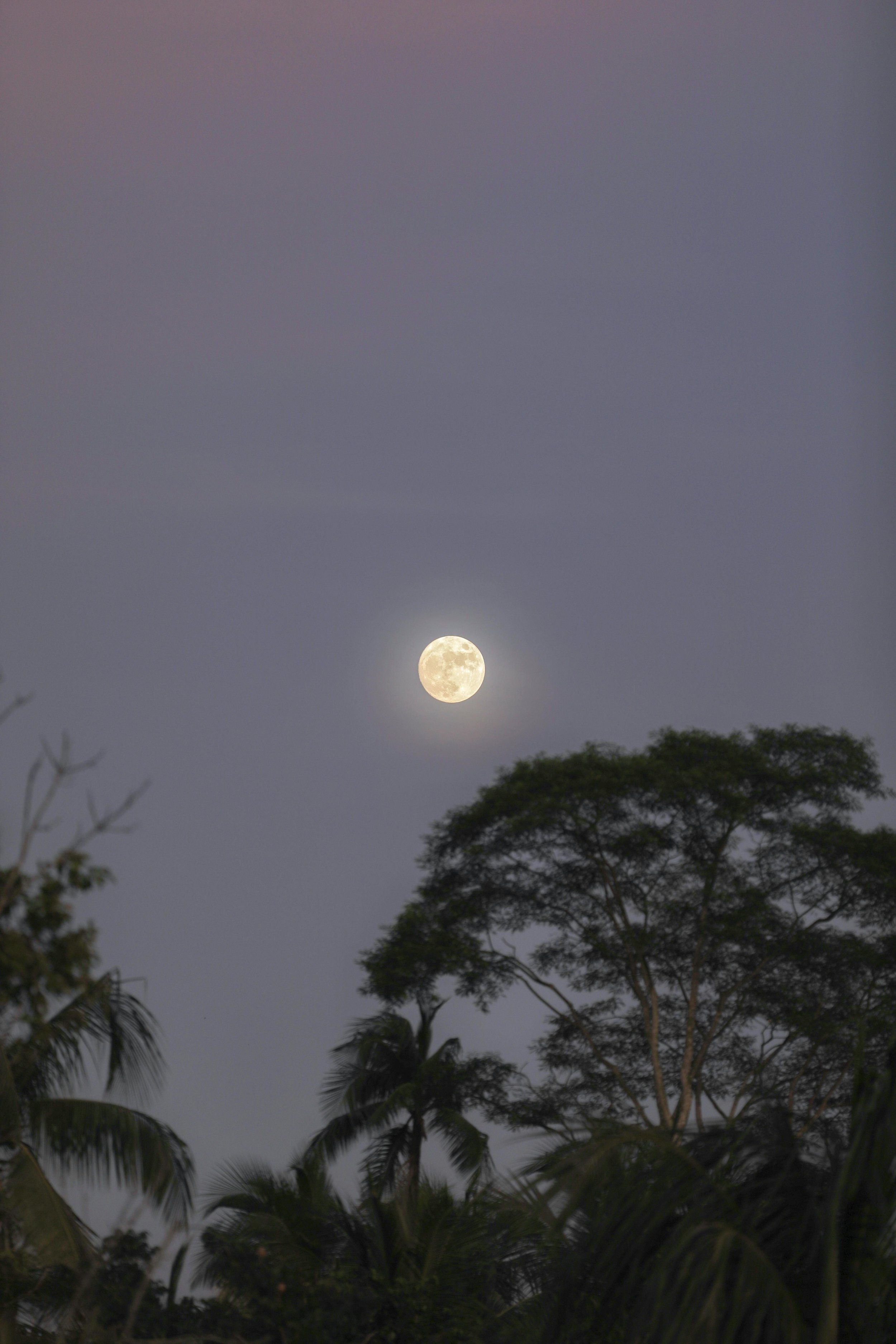
In our quest for happiness, we often forget that life is inherently about wholeness.
What if happiness isn't the goal of life? This reflection explores why embracing the full spectrum of human experience—joy and sorrow, growth and rest, light and shadow—may be the path to a richer and more meaningful life.
For much of my life, I thought happiness was the goal. If I worked hard enough, healed enough or made all the ‘right’ decisions, I imagined I would eventually arrive at a place where life felt calm, joyful and uncomplicated. It was an appealing idea, but one that became harder to believe the more life unfolded.
The older I get, the more I realise that life doesn't move in a straight line. Just like nature, it ebbs and flows, expands and contracts, surprises and disappoints us in equal measure. Just when everything seems to be falling into place, something shifts. A relationship changes, our health challenges us, we lose someone we love or find ourselves questioning the direction we're heading. Happiness, it turns out, isn't a permanent destination but one of many experiences that make up a human life.
Perhaps we've been asking the wrong question. Rather than striving to be happy all the time, maybe the invitation is to become whole.
Nature Doesn't Resist Its Seasons
One of the reasons I find so much comfort in nature is that it never apologises for changing. Spring doesn't try to become summer, and autumn doesn't cling desperately to its leaves. Winter isn't considered a failure because nothing appears to be growing. Each season has its own purpose, and together they create the rhythm that allows life to flourish.
Yet somehow we've come to expect something different from ourselves. We tell ourselves we should always feel positive, motivated and grateful. When sadness, grief, anger or uncertainty inevitably arrive, we often assume we've done something wrong or that we need to fix ourselves as quickly as possible.
Nature suggests otherwise. It reminds us that periods of stillness, loss and uncertainty are not interruptions to life but part of its rhythm. Perhaps our emotional seasons deserve the same acceptance.
Pain Has Changed Me More Than Happiness Ever Could
I would never wish difficult experiences upon anyone, but I also can't deny how much they have shaped me.
The moments that have stretched me most have rarely been the happiest ones. They have been the times I've felt lost, disappointed or heartbroken. Looking back, those experiences softened something in me. They deepened my compassion, taught me humility and helped me recognise the struggles that other people quietly carry.
That doesn't mean suffering is always meaningful or that everything happens for a reason. Some experiences are simply painful. But I've come to believe that trying to eliminate all discomfort also means missing the wisdom that sometimes emerges from it. Many of the books that have changed me most, the music that has stayed with me and the conversations I've treasured have all been born from people's willingness to tell the truth about their struggles.
There is something profoundly connecting about that kind of honesty.
Carl Jung and the Idea of Wholeness
The psychiatrist Carl Jung believed that the goal of life wasn't perfection but wholeness. Rather than rejecting the parts of ourselves we find uncomfortable, he encouraged us to acknowledge them with curiosity and compassion. Our fears, our grief, our imperfections and our vulnerabilities aren't obstacles to overcome but parts of ourselves that deserve to be welcomed home.
I've always loved the image of a tree when thinking about this. The taller it grows towards the light, the deeper its roots must reach into the darkness. Without those roots it cannot stand. Perhaps we're not so different. The parts of ourselves we'd rather avoid often become the places where resilience, wisdom and compassion quietly begin to grow.
What Yoga Continues to Teach Me
One of the reasons yoga has remained such an important part of my life is that it continually reminds me to stop thinking in opposites.
Every practice asks me to explore strength alongside softness, effort alongside ease, movement alongside stillness. Rather than choosing one over the other, yoga invites me to hold both at the same time.
I've come to realise that balance isn't about finding a perfect midpoint where life feels comfortable forever. It's about learning to respond to each moment with awareness, recognising when it's time to act and when it's time to rest, when it's time to hold on and when it's time to let go.
Those lessons have become just as valuable off the mat as they are on it.
Learning to Sit Beside One Another
One of my favourite quotes comes from the Buddhist teacher Pema Chödrön, who wrote that, "Compassion is not a relationship between the wounded and the healed. It's a relationship between equals. Only when we know our own darkness well can we be present with the darkness of others."
Those words have stayed with me because they remind me that our struggles don't separate us from one another. They connect us. The people who have helped me most weren't those who tried to solve my problems or offer the perfect advice. They were the people who were willing to sit quietly beside me, without judgement, until I found my own way through.
Perhaps that is what compassion really looks like.
The older I get, the less interested I am in chasing happiness.
Instead, I'm learning to make space for the full spectrum of being human—for joy and sorrow, certainty and doubt, courage and fear, growth and rest. Life has become richer, not because I've eliminated the difficult parts, but because I've stopped expecting them not to exist.
Nature doesn't ask us to remain in one season forever, and perhaps we don't need to ask that of ourselves either. When we stop striving to feel happy all the time and begin embracing the whole of who we are, we may discover something far more lasting than happiness. We may discover wholeness.
A POWERFUL PAUSE FOR YOUR INBOX
Enjoyed this article? Why not join the Powerful Pause community to receive more articles like this, as well as insights and inspiration on women's wellbeing, perimenopause, cyclical living, yoga and living a more intentional life.
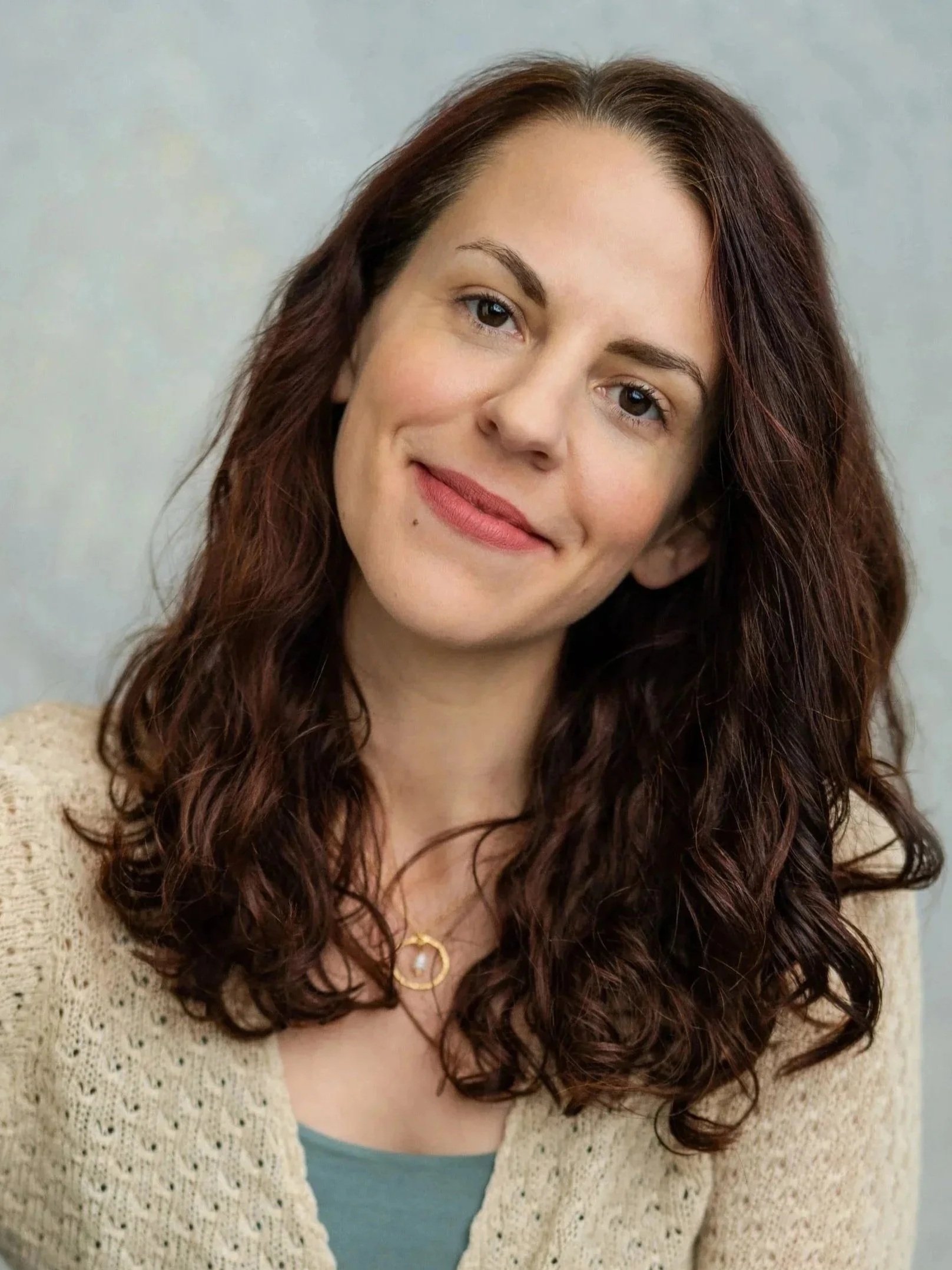
Hi, I’m Bea…
I help sensitive, purpose-driven women feel safe to rest, receive & thrive.
Through holistic coaching and restorative retreats, I help sensitive, purpose-driven women to slow down, reconnect with themselves and create a life that feels deeply aligned with who they are.
Because when your body remembers that it's safe, rest becomes possible. And from there, everything changes.