
How to Honour the Feminine in Your Yoga Teaching (and Reject The Patriarchy)
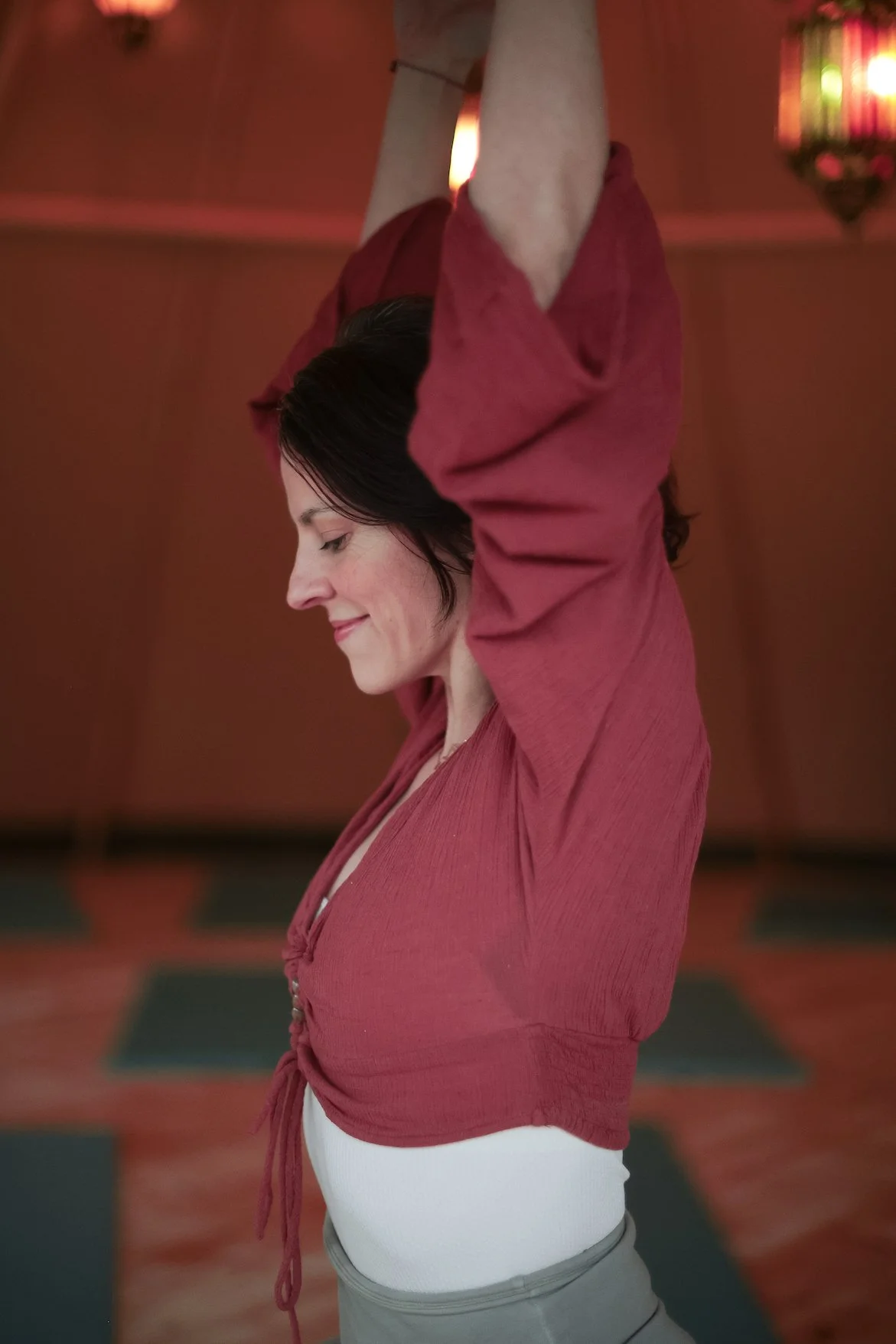
Spending time in Bali has given me a new lens on how language shapes the way we teach and practice yoga.
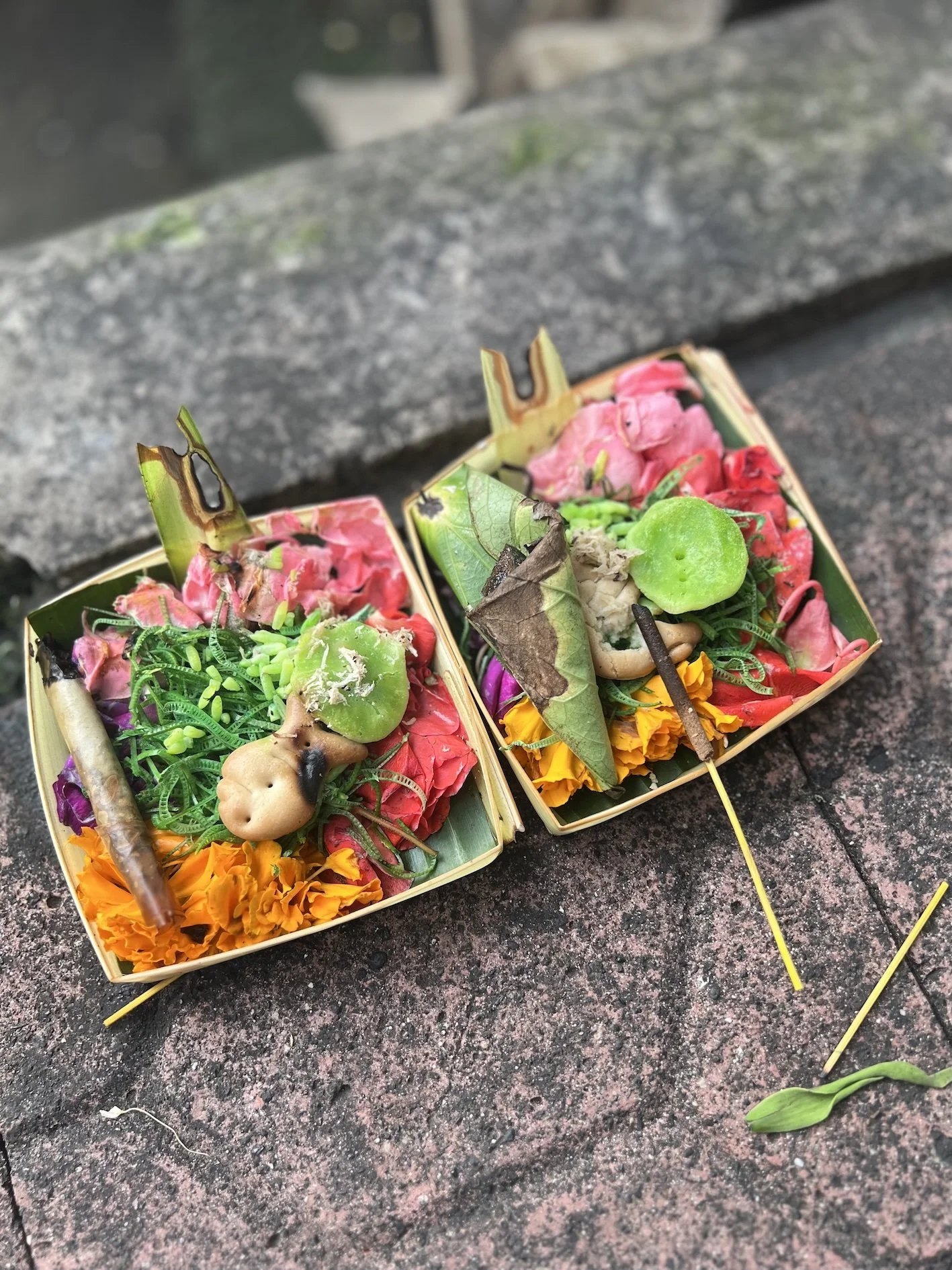
I’m currently in Ubud, Bali—surrounded by the lush green jungle, frangipani incense wafting through the air, and a constant flow of yoga classes led by teachers from all over the world.
It’s a beautiful place to be a student again. But once a teacher, always a teacher. If you’re a yoga teacher reading this, you’ll totally understand that switching that off that ‘teacher brain’ is pretty much impossible! We move through each class with one part of us feeling, and another noticing whilst desperately trying to remember anything we might want to ‘borrow’.
This is part of the magic of teaching—co-creation, shared language and evolving wisdom.
But over the last few weeks, I’ve been noticing something else. Something subtler, but hard to ignore. In several classes led by male teachers, I began to hear language that felt… off. Not overtly harmful, but carrying a worldview that, for me, doesn’t quite belong on the mat. A worldview shaped by hierarchy, productivity, and performance—the subtle imprint of patriarchy
One teacher said: “Just the fact you got on your mat today means you’re winning at life.”
Winning.
It sounds encouraging on the surface. But it stirred something in me. A resistance. Because I don’t want to win at life. I’ve spent enough years—since childhood, really—feeling like I should be winning. Achieving. Proving. Striving.
My yoga practice is the one place I go to lay that all down. It’s the one place where I don’t feel like I need to win. The mat, for me, is not a battlefield. It’s a sanctuary.
Another teacher referred to the mat as “real estate.”
Again, clever. Memorable. But why bring the language of ownership, acquisition, and capitalism into a space that is meant to be sacred? My mat is not something I own or conquer. It’s something I arrive to. Something I listen on.
And then there was the teacher who said: “I don’t know why I’m cueing this pose—I’m not very good at it.”
Perhaps it was meant as humility. But what it communicated, subtly, was this: only do what you’re good at. Only teach from mastery. Don’t show the edges. Don’t be seen in process. Do not let others see you not being very good at something.
But the feminine doesn’t move like that.
To honour the feminine in your teaching is to soften the grip of performance. It’s to create space for experience over achievement, for curiosity over certainty, for presence over perfection. It means choosing language that invites rather than instructs. That opens rather than directs. That allows students to feel rather than perform.
It sounds like:
“Notice what’s arising here.”
“There’s no right shape—just your shape today.”
“You’re allowed to meet yourself exactly as you are. All is welcome.”
It means letting go of hierarchy—the teacher as authority, the student as someone to fix or improve—and instead stepping into a shared space of exploration.
It also means being mindful of the metaphors we use.
Because language shapes experience.
When we speak in terms of winning, achieving, owning, or being “good” at something, we subtly reinforce a system that values output over embodiment. A system that disconnects us from the very essence yoga is meant to bring us back to.
Honouring the feminine doesn’t mean rejecting structure or discipline. It doesn’t mean one style of teaching is “bad” and another is “good.” It simply means becoming aware.
Aware of the energy behind our words.
Aware of the systems we’ve unconsciously inherited.
Aware of the space we are holding.
And then choosing—again and again—to create something different.
Something softer. Something more inclusive.
Something that allows people to step onto their mat and not feel like they have to be anything other than a messy human.
A POWERFUL PAUSE FOR YOUR INBOX
Enjoyed this article? Why not join the Powerful Pause community to receive more articles like this, as well as insights and inspiration on women's wellbeing, perimenopause, cyclical living, yoga and living a more intentional life.

Hi, I’m Bea…
I help sensitive, purpose-driven women feel safe to rest, receive & thrive.
Through holistic coaching and restorative retreats, I help sensitive, purpose-driven women to slow down, reconnect with themselves and create a life that feels deeply aligned with who they are.
Because when your body remembers that it's safe, rest becomes possible. And from there, everything changes.
Enjoyed this article? You may also like: