
Cyclical Living During Perimenopause: Learning to Trust Your Body Again
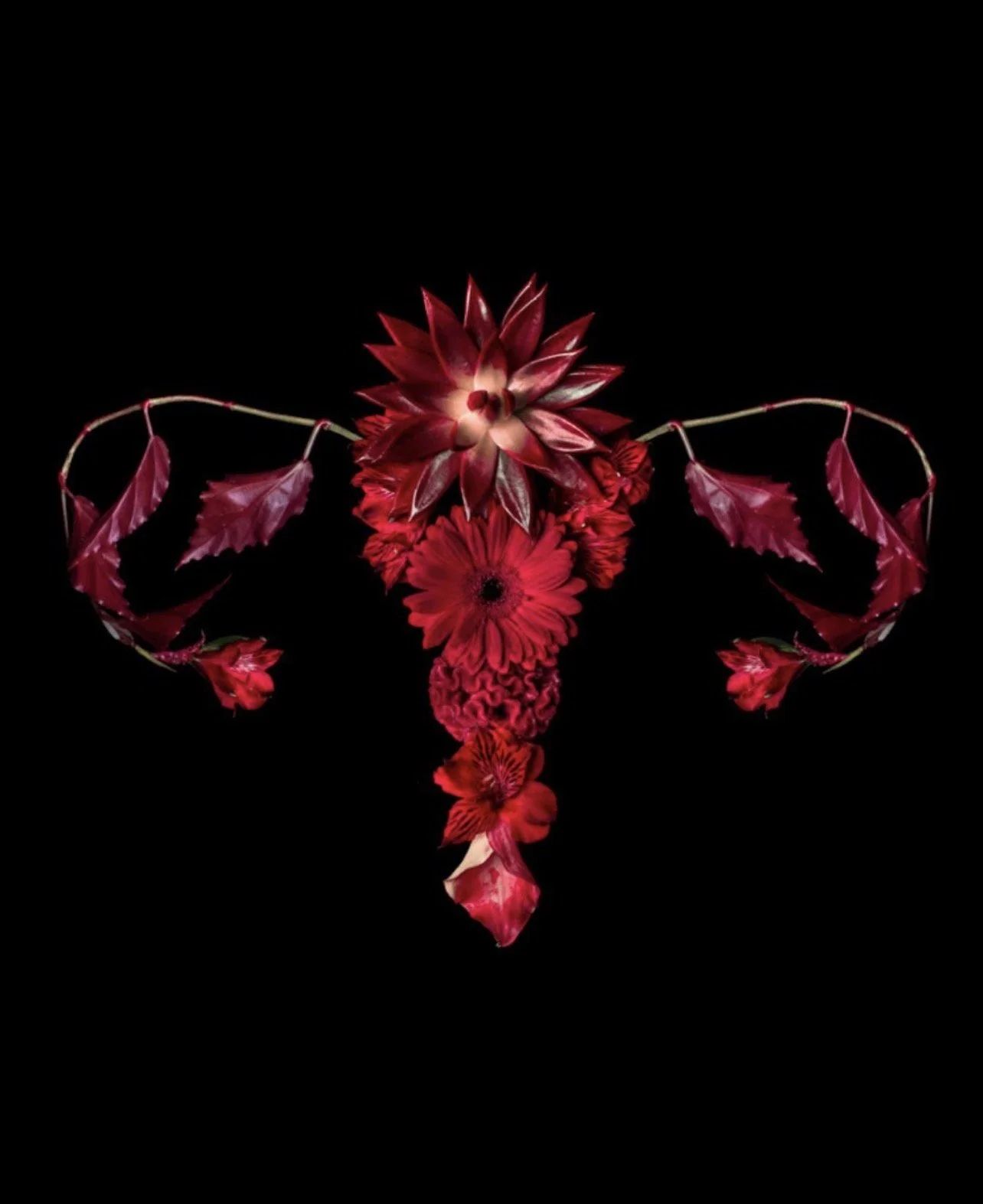
There comes a moment when what used to work… simply doesn't anymore.
Perimenopause isn't simply a hormonal transition; it's an opportunity to redefine what success looks like — replacing striving with self-trust, urgency with presence, and exhaustion with a more sustainable way of living.
You can no longer push through the tiredness with another cup of coffee or squeeze one more thing into an already full diary. The morning run that used to leave you feeling energised now leaves you depleted. You wake at three in the morning with a mind that won't settle, and emotions that once felt manageable now have the power to derail your day.
It's unsettling, not least because you've spent years becoming someone who could be relied upon; someone capable, productive and resilient.
It is hardly surprising that so many women experience perimenopause as though their bodies have begun to betray them. We search for ways to fix what feels broken and wonky, hoping to restore the energy, confidence or motivation we once took for granted. Yet I wonder if this season of life is asking something different of us. Rather than signalling that the body is failing, perhaps it is finally refusing to be ignored.
For much of our lives, we've been encouraged to live as though our bodies are machines. We are taught to value consistency, to perform at the same level every day and to override our own needs in service of work, family and the endless demands of modern life. We celebrate productivity and perseverance, often without stopping to ask what they are costing us. The body adapts remarkably well to this way of living, until one day it simply can't any longer.
Perimenopause has a way of bringing us back into conversation with ourselves. The whispers we once managed to silence become impossible to ignore. Fatigue asks us to rest. Anxiety asks us to slow down. Irritability asks us to examine the boundaries we've neglected. The body, which has always been communicating with us, simply begins speaking so loudly it can no longer be ignored.
This is why I believe cyclical living becomes more important during perimenopause than ever before.
What is cyclical living?
Cyclical living is often described as living in harmony with the different phases of the menstrual cycle. There is certainly wisdom in understanding how our hormones can influence energy, creativity, focus and rest throughout the month. Many women find it empowering to recognise these natural rhythms and to plan their lives accordingly.
Yet perimenopause has a way of disrupting certainty. Cycles become shorter, longer or disappear altogether. Ovulation may come earlier, later or not at all. Hormones fluctuate in ways that can feel unpredictable from one month to the next. If our understanding of cyclical living depends solely on knowing where we are in our cycle, it's easy to feel as though we've lost the map.
I don't believe we have.
In many ways, perimenopause reveals the deeper meaning of cyclical living. Rather than following a calendar, it invites us to develop something far more valuable: a relationship with our own bodies. Instead of asking, What should I be doing today because my app says I'm in this phase? we begin asking a different question altogether: What does my body need from me today?
That shift—from following rules to cultivating awareness—is, I think, where the real practice begins.

Perimenopause isn't asking you to become someone new
It's asking you to return to yourself. Many women tell me they feel as though they've "lost themselves." But I wonder if something else is happening.
Perhaps you're not losing yourself. Perhaps you're shedding the version of yourself that survived by ignoring your own needs.
Perimenopause has a remarkable way of making what no longer serves us impossible to tolerate.
The endless people-pleasing.
The overworking.
The emotional labour.
The constant doing.
It's not that you've become weaker.
It's that your body is no longer willing to pay the price.
Free guide: 10 tips to Support Your Body Through Perimenopause
Download your free 13 page guide and workbook which offers practical support to help you better understand your changing body and create habits that nourish you through this important transition.
How to practise cyclical living during perimenopause
1. Stop expecting consistency.
One of the greatest acts of self-compassion during perimenopause is letting go of the expectation that you'll feel the same every day. Some mornings you'll wake feeling clear, capable and creative. Others you'll need more rest. Neither version is wrong. Both belong.
2. Follow your energy, not your calendar
Instead of filling every day to capacity, begin noticing:
When do I naturally feel focused and energised?
When do I crave solitude?
When do I feel most creative?
When does my body ask me to slow down?
When does my mood dip?
These patterns still exist, even if they aren't perfectly monthly anymore.
3. Build more recovery into your life
Our nervous systems weren't designed to stay switched on all day. Perimenopause often amplifies stress because fluctuating oestrogen can affect how the brain regulates mood, sleep and the stress response. Recovery isn't a reward for productivity. It's a biological necessity. Sometimes recovery looks like yoga. Sometimes it looks like saying no. Sometimes it looks like sitting in the garden for ten minutes with a cup of tea.
4. Listen before your body has to shout
Bodies whisper before they scream. Tight shoulders. An anxious stomach. Interrupted sleep. Brain fog. Irritability.
This is information. The more often we pause to listen, the less likely our bodies need to turn up the volume.
5. Honour your inner seasons
Even when periods become irregular, many women still notice internal seasons. There are days of expansion. Days of reflection. Days of rest. Days of renewal. Rather than forcing every day to feel like spring, cyclical living reminds us that winter has wisdom too. Nature never apologises for resting. Neither should we.

your body isn't the problem
So many women come to me believing they need to fix themselves. To optimise. To become more resilient. To get back to who they were. But what if your body isn't malfunctioning? What if it's communicating? Perimenopause often strips away our ability to override ourselves. It asks us to create lives that honour our energy rather than constantly demanding more from it.
Coming home to yourself
Cyclical living during perimenopause isn't about following another set of rules. It's about rebuilding trust with your body.
Some days you'll move.
Some days you'll rest.
Some days you'll create.
Some days you’ll cry. A lot.
Some days you'll simply be.
All of it belongs.
Because perhaps the greatest gift of perimenopause isn’t learning how to manage your changing hormones. It’s the moment you finally stop fighting your body and start listening to it. The moment you realise your exhaustion, your sensitivity, your longing for something different were not signs that you were doing life wrong — they were gentle invitations to come home.
Ready to feel more at home in your changing body?
I was 38 when I first started to notice changes in my body. I found myself searching for answers and realised that much of the support I was looking for didn’t exist. So I created it. Powerful Perimenopause was born from my own need to understand my changing body — and a desire to create the support I wished I’d had. It’s the culmination of hundreds of hours studying women’s health, nervous system regulation, yoga, embodiment and coaching, alongside my own experience of navigating this transition.

Hi, I’m Bea…
I help sensitive, purpose-driven women feel safe to rest, receive & thrive.
Through holistic coaching and restorative retreats, I help sensitive, purpose-driven women to slow down, reconnect with themselves and create a life that feels deeply aligned with who they are.
Because when your body remembers that it's safe, rest becomes possible. And from there, everything changes.
Enjoyed this article? You may also like: