
How Grief Affects the Body: Why Loss Feels So Exhausting

When the world changes overnight, the body does too.
With Glen Hansard’s tragic death last week, grief is very much on people’s minds at the moment. A lot of people are wondering how they can feel so sad about losing someone they never actually met. But grief isn’t just reserved for the people we know personally. We feel loss when someone or something we deeply value is taken away — and sometimes the connection we have to a person, a story, a piece of music, or a particular moment in our lives can be surprisingly profound.
We often think of grief as an emotion — something that lives in the heart and the mind. But grief is also an intensely physical experience. It can change our energy, disrupt our sleep, affect our concentration and leave our nervous system feeling completely overwhelmed.
A few months ago, my dear mother-in-law died. Until you’ve experienced the grief of losing someone close to you, it’s hard to explain what it feels like. And of course, everyone experiences it differently.
I thought I knew what grief would feel like. I expected sadness, of course. Tears. Moments of deep shock, longing, regret…guilt. What I didn’t expect was what it would ask of my body.
Most of us know about the psychological impact of grief, but we don’t often talk about the physical symptoms and how the loss of someone can affect your brain, your heart and your immune system.
I didn’t expect the bone-deep exhaustion that sleep couldn’t seem to touch. The tightness in my shoulders. The heaviness in my chest. The brain fog that made simple decisions feel overwhelming. Or the way my nervous system seemed to move between feeling completely numb and painfully alive.
How Grief Affects the body
When we first hear about the death of someone we love, our brain can interpret it as a threat to our safety and survival. The amygdala — the part of the brain involved in detecting threat — can activate our stress response, triggering fight, flight, freeze or shutdown responses.
During times of intense stress, cortisol (the stress hormone) increases. This affects areas of the brain involved in memory, learning and concentration, which explains why grief can leave us feeling forgetful, distracted or unable to think clearly.
We often think of grief as an emotion, but it is so much more than that. Loss changes us physically.
It disrupts our sleep and affects our appetite. It leaves us feeling depleted and makes everyday tasks feel harder than they once did. Our muscles hold tension. Our digestion often changes and we may notice a different in our bowel movements and the frequency of them. Even our breathing can become shallower without us noticing.
For many of us, our bodies begin responding to loss long before our minds have begun to process such a momentous shift in our lives. Our body is doing its best to adapt to an experience that has changed our entire world.
One of the things I've noticed my partner doing a lot since his mum died is letting out long, slow exhales. He'll puff out his cheeks and release a deep breath through his mouth without even thinking about it.
This is one of the body's natural ways of regulating itself. A long exhale helps activate the parasympathetic nervous system—the part of our nervous system responsible for rest, recovery and restoration. It's why, in times of stress or overwhelm, we often find ourselves letting out a big sigh. Our body is instinctively trying to bring itself back towards a greater sense of calm and safety. Isn’t it amazing?
Grief is one of the deepest stressors we can experience, and our nervous system responds accordingly. It isn’t simply processing an emotion; it is trying to make sense of a world that has suddenly changed. When someone we love dies, we don’t just lose a person — we lose the version of life that existed alongside them. Our body has to navigate the space between what was and what is.
There is often an unspoken expectation that grief should follow a timeline. That after the funeral, after a few weeks, after a few months, we should somehow begin to return to who we were before.
But our bodies don’t work like that. The body doesn’t measure time in weeks or months. It responds to whether there is enough safety and space to process what has happened. Sometimes that means the tears come long after everyone else assumes you’re okay. Sometimes it means needing more rest than feels reasonable or ‘normal’. Sometimes it means feeling unexpectedly overwhelmed by things you once found easy.

What Helped Me
Nothing takes grief away. Nor should it. Grief is the price we pay for loving someone deeply. But there have been things that have helped me stay connected to myself while moving through it.
In the weeks after my mother-in-law’s death, I cleared everything from my diary. I took a full month off from work and pushed aside anything that wasn’t urgent.
I gave myself permission to do less. A lot less.
I cooked nourishing, healthy meals for myself and my partner, making big batches so I didn’t have to think about cooking every evening. I created space to be alone too, because when you’re supporting someone through the loss of a parent, it can take a huge emotional toll on you as well. I made sure I got out of the house every day, and moved my body at least once a day.
Caring for yourself when you’re going through grief is vital.
I walked by the river near where I live, allowing myself to take my time and not needing to arrive anywhere. I practised yoga that invited me to notice rather than fix (Yin Yoga is great for this). I spent time in nature. I let myself cry when the tears came instead of pushing them down. I asked less of myself. I reached out to friends (because I needed holding too). I remembered that rest wasn’t something I had to earn and took lots of afternoon naps. Perhaps most importantly, I stopped expecting my body to perform as though nothing had happened.
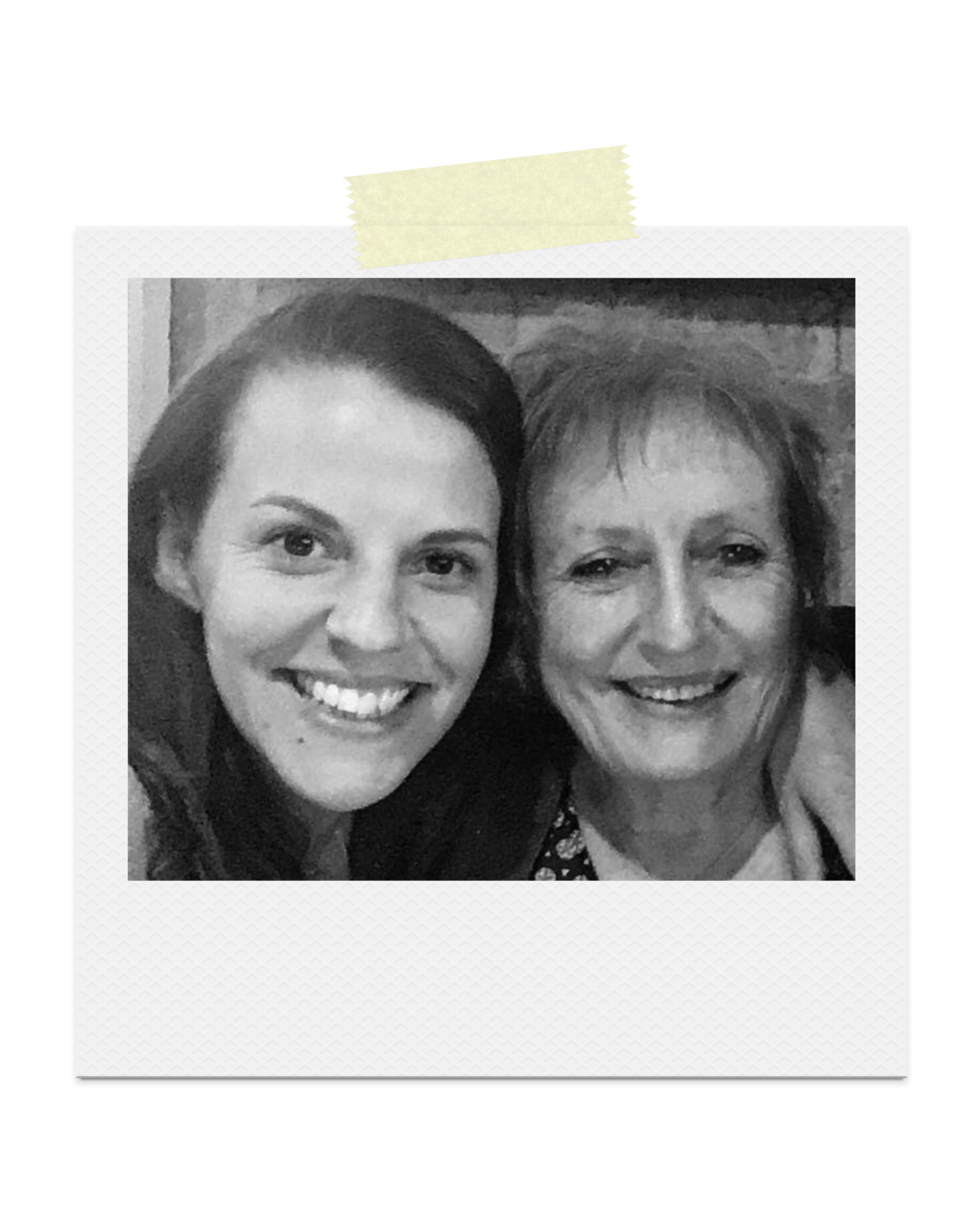
We’re still only a few months in and it still feels surreal but I’m finally starting to sense there is a little more space. It’s made me appreciate how much our bodies knows how to carry you through, even when your mind doesn’t yet know the way. Grief doesn’t ask us to become stronger. It asks us to slow down and be present. To take each day as it comes and to drop the expectations of yourself and others.
And perhaps, if we’re willing to meet it there, it teaches us that healing isn’t about returning to who we were before. It’s about learning to inhabit who we are now — with tenderness, compassion and enough space for love and loss to exist side-by-side.
If you’ve found your way here, chances are you’ve experienced the loss of someone you love, or you’re supporting someone through grief. If that’s you, I’m so sorry. I know how devastating and disorienting it can feel when the world you knew suddenly changes. Please be gentle with yourself as you navigate this tender period.
Sending you love.
Here are some further resources that you may find supportive:
Grief.com
Website founded by David Kessler, one of the world’s foremost experts on loss, with information and resourcesThe Grief Recovery Method is an action-based, powerful approach to healing from life’s heartbreaks
Useful information and resources from leading grief psychotherapist Julia Samuel
I also recommend the book You Are Not Alone: A New Way to Grieve by Cariad Lloyd — a heartfelt and compassionate exploration of grief, offering comfort and guidance for navigating loss.

Hi, I’m Bea…
I help sensitive, purpose-driven women feel safe to rest, receive & thrive.
Through holistic coaching and restorative retreats, I help sensitive, purpose-driven women to slow down, reconnect with themselves and create a life that feels deeply aligned with who they are.
Because when your body remembers that it's safe, rest becomes possible. And from there, everything changes.