
Yoga & Cyclical Living: How to Adapt Your Yoga Practice to Your Cycle

Your body was never designed to feel the same every day—your yoga practice shouldn't be either.
We live in the world that runs on consistency. We are expected to show up every day with the same energy, the same productivity and the same capacity, regardless of how we feel. But our female bodies, tell a very different story.
Just as nature moves through seasons of growth, abundance, release and rest, so too do our bodies. The menstrual cycle, and later the transition through menopause, remind us that change is not something to resist but something to work with.
This is the heart of cyclical living.
Yoga offers a beautiful companion to cyclical living because it invites us to pay attention and meet our body exactly as it is each day. Rather than asking, "What should my body be able to do today?" yoga encourages us to ask, "What does my body need today?"
It also asks us to tune into the subtle shifts that happen throughout each day. Our energy isn't static. I know my body feels very different first thing in the morning than it does in the afternoon or evening. Sometimes I need movement that energises and strengthens me; other times I need to slow down, soften and rest.
Yoga teaches us to respond to those changing needs with curiosity and compassion, rather than judgement. Over time, this practice helps us build trust in our body's wisdom instead of overriding it.
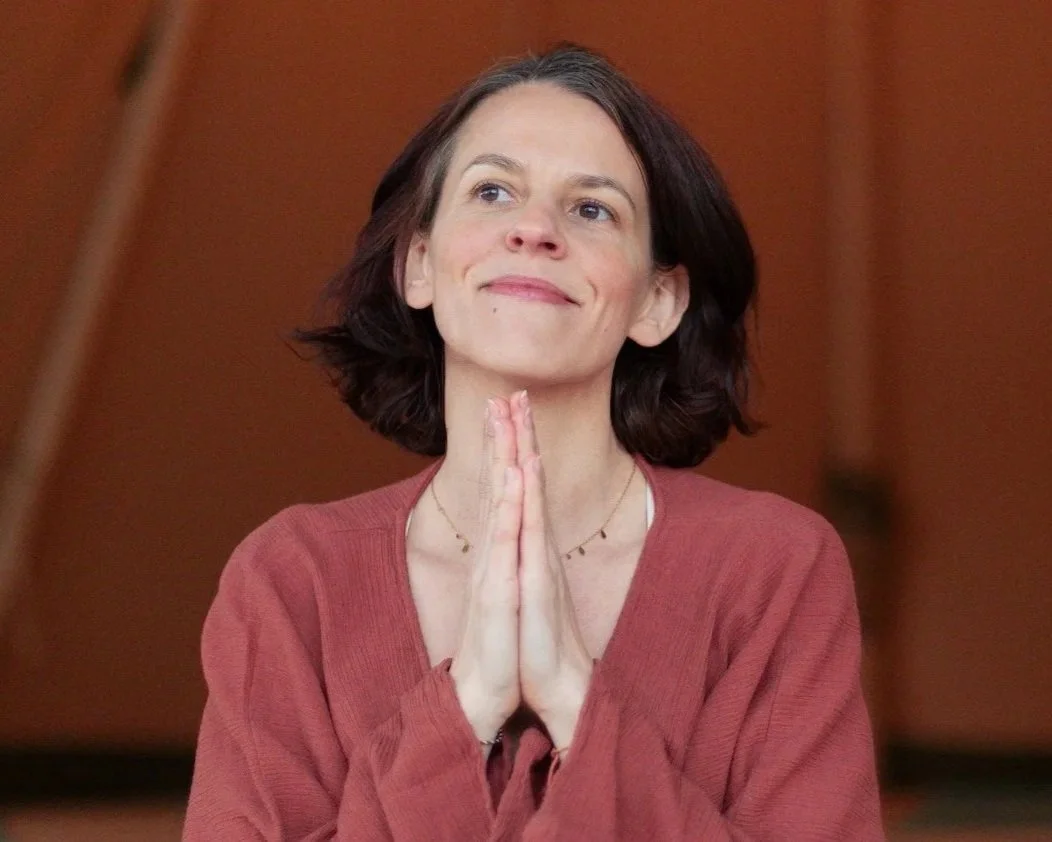
Yoga teaches us to listen
One of the greatest gifts of yoga is that it develops interoception—the ability to notice and respond to the sensations within our bodies.
Instead of judging ourselves for feeling tired, emotional or energised, we become curious.
We begin to notice:
When our energy naturally rises and falls.
How our emotions shift throughout the month.
What kinds of movement nourish us on different days.
When we need challenge and when we need softness.
This awareness is the foundation of cyclical living. Without listening, we cannot live in rhythm with ourselves.
There isn't one "right" way to practise yoga
Modern yoga culture often celebrates dynamic movement, flexibility and physical achievement. While these practices can be wonderful, they don't suit every body every day.
Some days we crave strong, flowing movement. Other days we need to lie on the floor wrapped in blankets and simply breathe. Neither practice is more valuable than the other.
One of the most empowering shifts we can make is letting go of the belief that a "good" yoga practice has to look a certain way. A restorative practice can be every bit as transformative as a vigorous vinyasa class. When we honour what our bodies are asking for, yoga becomes an act of self-trust rather than self-improvement.
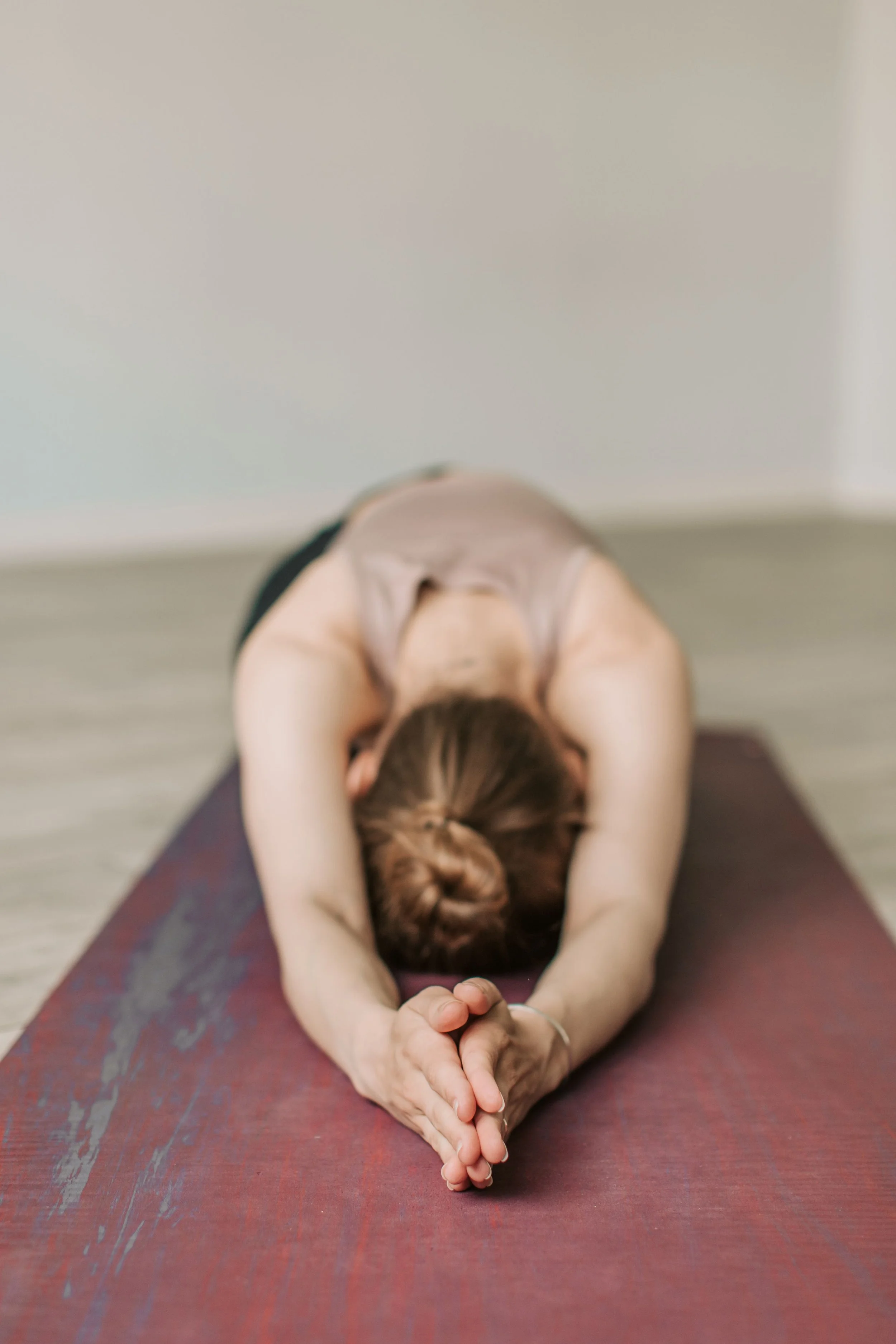
Yoga through the Inner Seasons
The Red School's metaphor of the Inner Seasons offers a beautiful way to explore how yoga can support us throughout the menstrual cycle.
❄️ Inner Winter (Menstruation)
During menstruation, energy is often lower and the body naturally turns inward and begins to detox and shed. This is a time for:
Restorative Yoga
Yoga Nidra
Gentle breathwork
Meditation
Longer periods of rest
Rather than pushing ourselves to maintain the same pace, we can allow our practice to become one of restoration and reflection.
🌱 Inner Spring (Follicular Phase)
As energy begins to return, we often feel more curious, optimistic and motivated. This can be a wonderful time to enjoy:
Gentle Vinyasa Flow
Standing balances
Exploring new poses and creative transitions
Building strength gradually
There is a sense of possibility and playfulness that mirrors springtime in nature.
🌸 Inner Summer (Ovulation)
Many women experience their highest energy during ovulation, you may feel drawn to more energising and strengthening practices at this time such as:
Dynamic Vinyasa
Arm balances
Partner yoga
Community classes
Heart-opening postures
We may feel happier to socialise and be out in the world as our confidence and outward focus often expand during this phase too.
🍂 Inner Autumn (Luteal Phase)
As the body prepares for menstruation, we may notice a growing desire to slow down and turn inwards. Instead of seeing this as a problem, yoga invites us to honour it.
Practices might include:
Yin Yoga
Slower flows
Longer holds
Twists
Forward folds
Reflection and journalling
This season asks us to become more discerning, noticing what is no longer serving us. Kundalini Yoga can be particularly supportive here. The introspective nature of breathwork, mantra, mudra and meditation can help process emotions, regulate the nervous system and turn awareness inward. You may prefer to choose gentler kriyas rather than highly energising ones.
Adapting Your Yoga Practice During Menstruation
There is no single way to practise yoga during your period. Some women feel energised and enjoy flowing movement, while others need deep rest. The most important practice is listening to your body and responding with compassion rather than expectation.
Traditionally, many yoga lineages recommend modifying certain postures during menstruation. In yoga philosophy, menstruation is supported by Apana Vayu—the downward-moving current of energy associated with elimination, grounding and release. Practices that encourage this natural downward flow are often considered supportive during this time.
For this reason, you may choose to avoid prolonged or strong inversions such as headstands, shoulder stands and handstands while you are bleeding. From a traditional yogic perspective, these postures are thought to oppose the downward movement of Apana Vayu. While modern scientific evidence for this is limited, many women find they simply feel more comfortable allowing their bodies to rest from these poses during menstruation.
You may also prefer to modify or avoid strong closed twists, which compress the abdomen and pelvic area, as well as prone postures where you are lying on your belly for extended periods. Poses such as Revolved Chair or deep seated twists can be replaced with gentle open twists, while Locust, Bow or Cobra may feel uncomfortable if your abdomen or breasts are tender. Choosing softer alternatives can create more space, ease and comfort during this phase of your cycle.
Instead, this can be a beautiful time to embrace practices that encourage softness, grounding and nervous system regulation. Gentle forward folds, restorative yoga, supported hip openers, Yoga Nidra, breath awareness and meditation can all help you honour your body's natural rhythm.
Ultimately, your body is your greatest teacher. Cyclical living isn't about following rigid rules—it's about developing the self-awareness to recognise what you need today, and trusting yourself enough to respond.
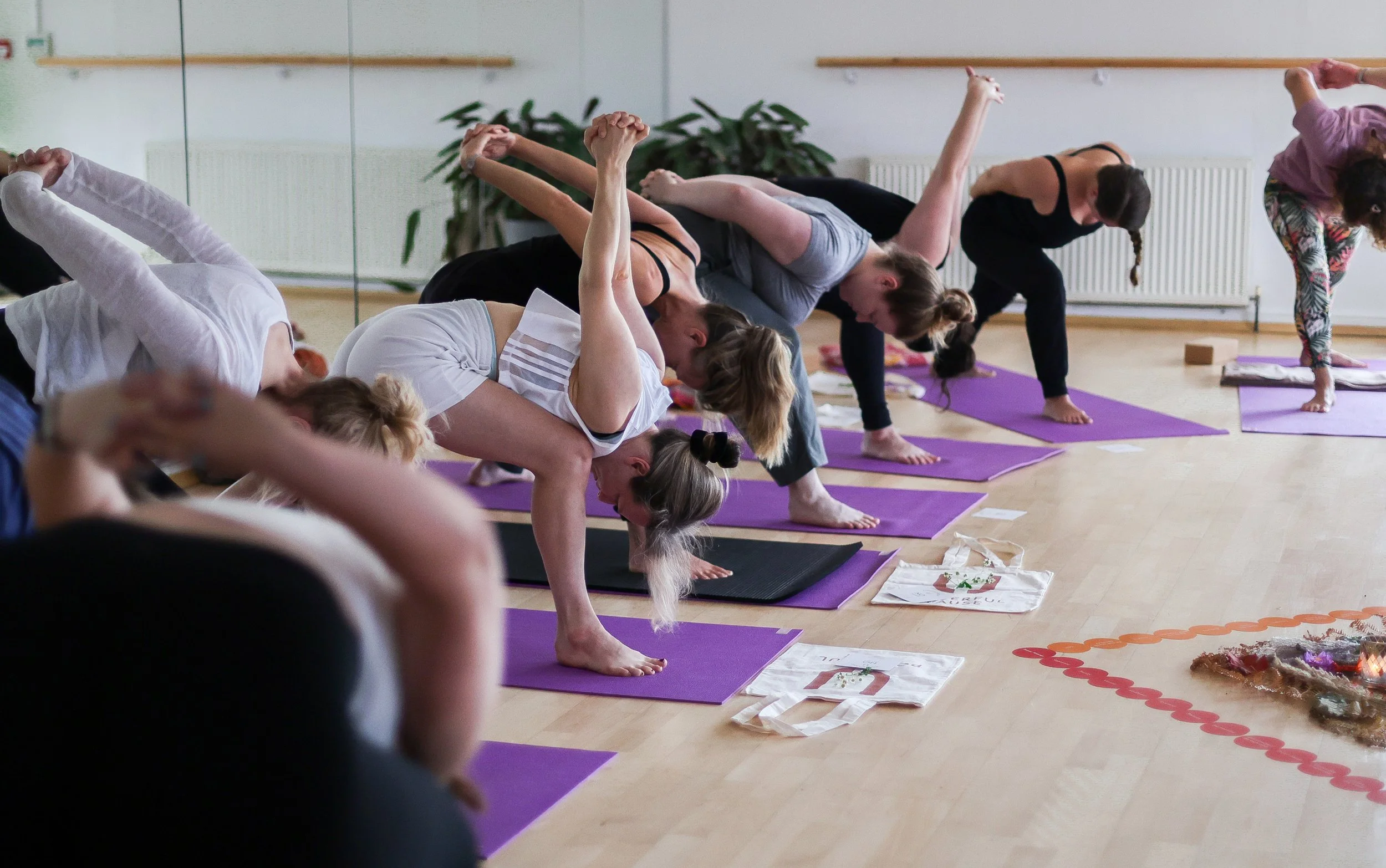
Yoga supports us beyond the menstrual cycle
Although our monthly bleeding comes to an end in midlife, cyclical living is a lifelong invitation to continue to move through daily, seasonal and yearly rhythms.
Menopause invites us to redefine our relationship with productivity and success. Rather than constantly striving, many women feel called to live with greater intention, authenticity and self-respect.
Yoga provides an anchor during this transition. Practices such as restorative yoga, Yoga Nidra, mindful movement and conscious breathing can help regulate the nervous system, improve sleep, reduce stress and create space to process the emotional changes that often accompany this stage of life.
More than anything, yoga reminds us that our worth has never depended on how much we can do.
Cyclical living isn't about CONSISTENCY
It's important to remember that not everyone experiences the same cycle.
Hormonal contraception, health conditions, pregnancy, postpartum, perimenopause and menopause all influence our rhythms. Some months you may feel full of energy during your luteal phase. Other months you may need more rest throughout your cycle. Cyclical living isn't about following a rigid set of rules.
It's about developing a relationship with your body based on curiosity rather than control. Yoga gives us the tools to have that conversation.
Coming home to yourself
At its heart, yoga is a practice of remembering. Remembering that your body is worthy of care. Remembering that rest is productive. Remembering that change is natural. Remembering that you don't need to meet the world with the same energy every single day.
When we combine yoga with cyclical living, we begin to move through life with greater compassion, awareness and trust. We stop asking our bodies to conform to a linear world and instead allow ourselves to be guided by the wisdom of our own inner seasons.
Because perhaps the greatest lesson yoga offers isn't how to touch our toes or master a posture.
It's how to come home to ourselves, again and again.

Hi, I’m Bea…
I help sensitive, purpose-driven women feel safe to rest, receive & thrive.
Through holistic coaching and restorative retreats, I help sensitive, purpose-driven women to slow down, reconnect with themselves and create a life that feels deeply aligned with who they are.
Because when your body remembers that it's safe, rest becomes possible. And from there, everything changes.
Enjoyed this article? You may also like:
7 Best Yoga Poses for Female Hormones: Supporting Your Body Through Perimenopause
How to Honour the Feminine in Your Yoga Teaching (and Reject The Patriarchy)
Cyclical Living for Women: How to Work With Your Natural Rhythms
Why Almost Everything We Were Taught About Our Periods Was Wrong
Photos by Frankie Takes Photos