
Whose Job Is It to Market Your Yoga Classes?
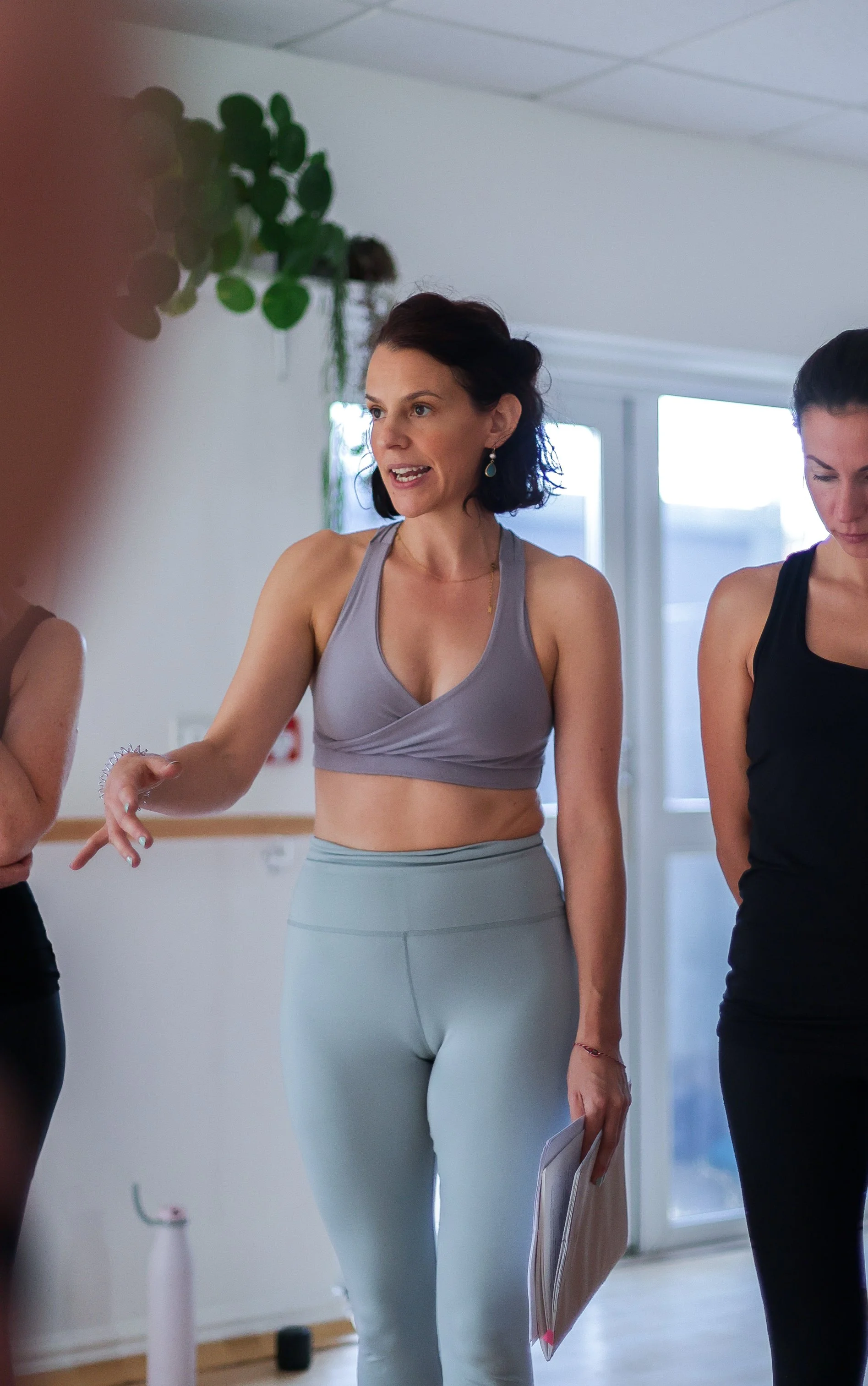
Where does the responsibility for filling yoga classes really sits — with the teacher, the studio, or both?
As yoga teachers, we spend a huge amount of (unpaid) time creating beautiful classes, teaching with care, building relationships with our students and creating a sense of community. But there’s another part of teaching that we don’t often talk about: getting people through the door in the first place.
A brilliant class is no use to anyone if nobody knows it exists. This raises an interesting question: whose responsibility is it to market a yoga class? The teacher’s? The studio’s? Or is it something that works best when both take an active role?
A regular class is about more than filling a room
It can be tempting to think about a weekly yoga class simply in terms of numbers. How many people booked? How many of those students will return next week? Did the class make enough money to be viable?
Those things obviously matter. Yoga teachers need to earn a living, and studios need enough people coming through the door to keep their businesses sustainable. A regular class is about much more though than the number of people in the room on any given Tuesday evening. It’s an opportunity to become known in your local community and to build relationships with students over time, rather than having a series of one-off interactions. Most importantly, it gives people the opportunity to experience you as a teacher.
Someone might initially come along because they saw a class advertised by a local studio. They might then become a regular because they connect with the way you teach. Over time, that relationship can naturally lead somewhere else. They may come to one of your retreats, or book onto a workshop. Maybe they join a course, attend a special event, or eventually work with you privately.
For teachers who are building a broader yoga business, those relationships can be incredibly valuable.
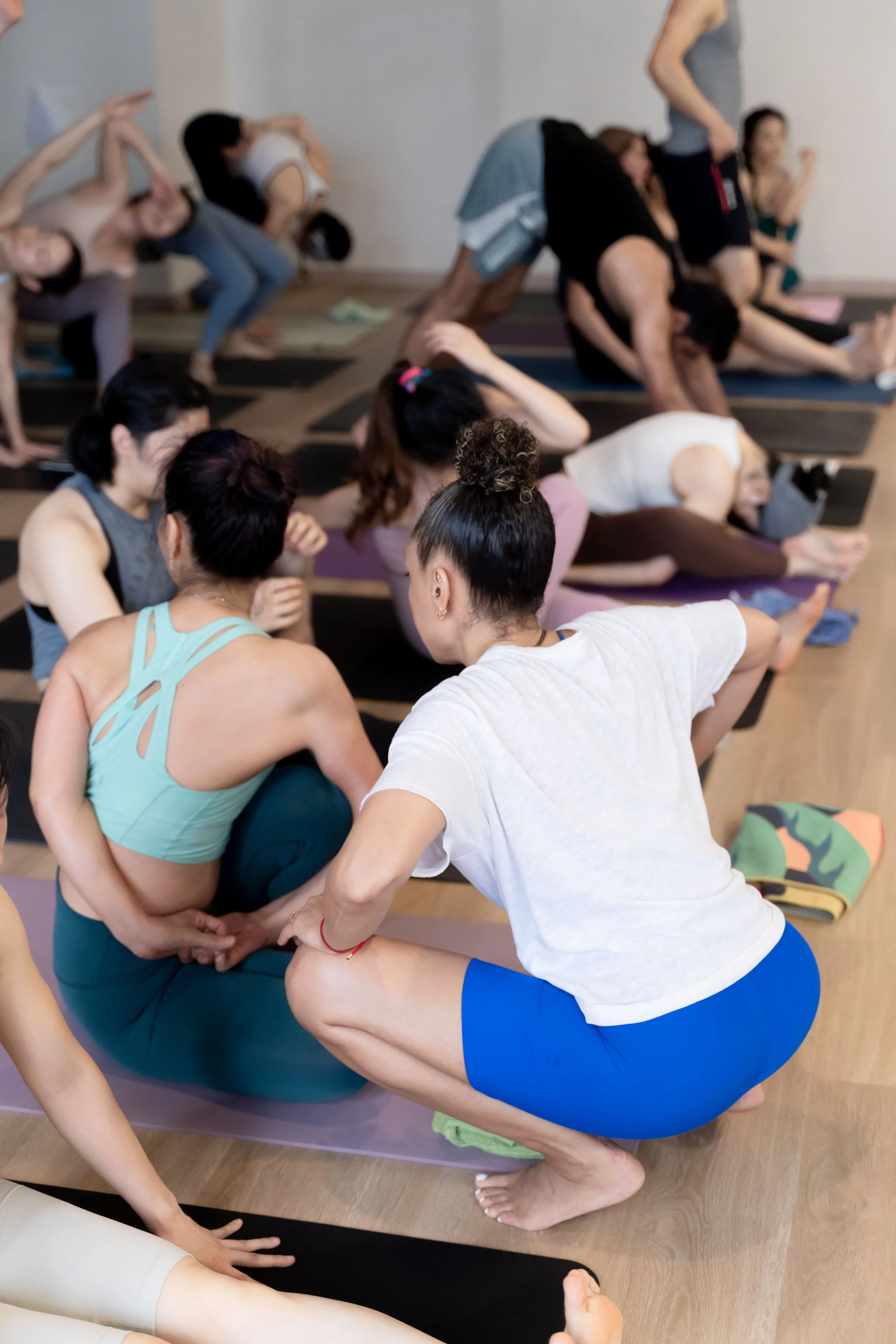
But studios need students too
Of course, there’s another side to this. Studios are businesses. They have rent, bills, staff, insurance, marketing costs and all the other expenses that come with keeping a physical space open. They need classes to be financially viable. A timetable full of empty classes isn’t sustainable either. So it makes sense that studios want their teachers to help promote their classes. I also think there’s a strong argument for studios actively marketing the people who teach for them. After all, a yoga teacher isn’t simply a name on a timetable.
The teacher is often the reason someone chooses to attend.
Think about the classes you’ve booked yourself. Sometimes you choose based on the style of yoga, the time or the location. But often, particularly once you’ve been practising for a while, you choose because you know the teacher. You like their energy. You understand their approach. You feel comfortable in their classes. You know that you’ll leave feeling a certain way. That relationship is valuable to both the teacher and the studio.
Should teachers bring their own audience?
There’s certainly an argument that teachers should take responsibility for marketing themselves. We have our own social media accounts, mailing lists and networks. We know our communities better than anyone. We are often best placed to explain what makes our particular class special. If we want to build a sustainable teaching career, learning how to communicate what we offer is part of the job. But there’s a difference between promoting your class and being expected to single-handedly fill it.
If a studio is relying entirely on an individual teacher to bring all of their own students, what happens when that teacher doesn’t already have a large following? What about the newer teacher who is brilliant at teaching but hasn’t yet had years to build an audience? Or the teacher who is moving into a new area and doesn’t yet have a local community? And what happens when the studio itself has a very small marketing presence? It seems to me that expecting the teacher to carry all of the responsibility doesn’t necessarily create the strongest relationship between teacher and studio.
What if we treated it as a partnership?
The more useful question isn’t “whose job is it?” but “How can we work together to fill these classes?” The studio has an audience, a physical space, a brand and usually a timetable or booking platform. The teacher has their personality, teaching style, existing relationships and personal community. Both bring something valuable.
A studio could introduce its teachers through social media, newsletters and its website. It could share short videos or teacher profiles, explain different styles of yoga and make it easier for potential students to understand which classes might suit them.
Teachers can share their own classes with their communities, invite people along, create content around their particular approach and let their students know what’s happening at the studio. When a new teacher joins a timetable, there could be a genuine effort from both sides to help them establish themselves.
Not simply:
“Here’s your class on the timetable. Good luck filling it.”
But:
“Let’s introduce you to our community and help people understand why they might want to come to your class.”
That feels so much more collaborative.
There’s something bigger at stake
This matters because yoga teaching can sometimes be presented as though the only thing that makes someone a successful teacher is their ability to teach yoga. Of course, teaching well matters enormously, but building a sustainable yoga career often requires other skills too: communication, marketing, community building, business knowledge and the ability to articulate what makes your offering different.
At the same time, teachers shouldn't have to become full-time marketers simply to make a regular studio class viable.
The most successful relationships, in my experience, are usually the ones where everyone understands that we are working towards the same thing: creating a thriving community around the practice.
A full class benefits the teacher. It benefits the studio. And ultimately, it benefits the students too, because a thriving studio or yoga space creates more opportunities for connection, learning and practice. It’s not about deciding who is responsible for filling the mats, but recognising that there is shared responsibility — and shared benefit.
I’d love to hear from you. If you’re a yoga teacher, studio owner or student, what has your experience been? Do you think teachers should be responsible for marketing their own classes? Should studios do more? Or does the best model involve both working together? Who do you think should be responsible for filling the room?
If you’re interested in joining one of my yoga classes, you can see my weekly class schedule, here. If you’re a studio or venue who is interested in collaborating, please contact me.

Hi, I’m Bea.
I help sensitive, purpose-driven women feel safe to rest, receive & thrive.
Through holistic coaching and restorative retreats, I help sensitive, purpose-driven women to slow down, reconnect with themselves and create a life that feels deeply aligned with who they are.
Because when your body remembers that it's safe, rest becomes possible. And from there, everything changes.