
Why Do I Keep Waking Up at 2am? TCM, Perimenopause and the Mystery of Sleep

Could Traditional Chinese Medicine offer a different way of understanding our 2am wake-up calls?
Many women experience disrupted sleep during perimenopause, a transition that lasts years and, for some, much longer than a decade. That’s a huge amount of our lives to spend struggling to get good-quality, restorative sleep.
I used to be a very good sleeper. I’d fall asleep quickly and sleep through until my alarm went off the following morning. I could count on one hand the number of times I woke in the night in a year. I was that good at sleeping.
I took it for granted, of course, as we often do with the things that come easily to us. Until I hit my late thirties, and everything changed.
There is something particularly frustrating about waking up in the middle of the night when you have absolutely no intention of being awake. Especially when it’s 2am. It’s that very particular hour that feels firmly in the middle of the night. You’re well beyond a late night, yet still a long way from the first light of morning.
You’re tired. You know you need sleep. You might even have gone to bed at a sensible time, done all the things you’re supposed to do to support a good night’s rest, and felt reasonably settled when your head hit the pillow. And yet, here you are. Wide awake. Looking at the ceiling. Wondering why on earth you’re wide awake.
I’ve found myself doing exactly this, and as I’ve moved through my forties, I’ve found myself wanting to understand more about the relationship between sleep, hormones and what’s happening inside the body.
Which led me to Traditional Chinese Medicine and the idea of the body clock.
What is the Traditional Chinese Medicine body clock?
In Traditional Chinese Medicine (TCM), the body is understood through a system of interconnected organs, energy pathways and natural rhythms. One of these concepts is the Chinese body clock, which divides the 24-hour day into twelve two-hour periods, each associated with a particular organ system.
According to this traditional framework, qi (often described as the body's vital energy) moves through different meridians throughout the day and night. Each organ system has a period when its energy is considered to be at its peak.
The idea is that the timing of certain symptoms, including waking during the night, might offer clues about what is happening in the body emotionally, physically or energetically.
It’s an intriguing way of looking at our relationship with sleep, particularly when we find ourselves waking at the same time night after night.
It’s important to say that the TCM body clock is a traditional interpretive framework rather than a scientifically validated diagnostic tool. Waking at a particular hour doesn't automatically mean that a particular organ is struggling, or that something is wrong. But I find the underlying invitation interesting: rather than simply asking how to make a symptom disappear, could we become a little more curious about what our bodies might need?
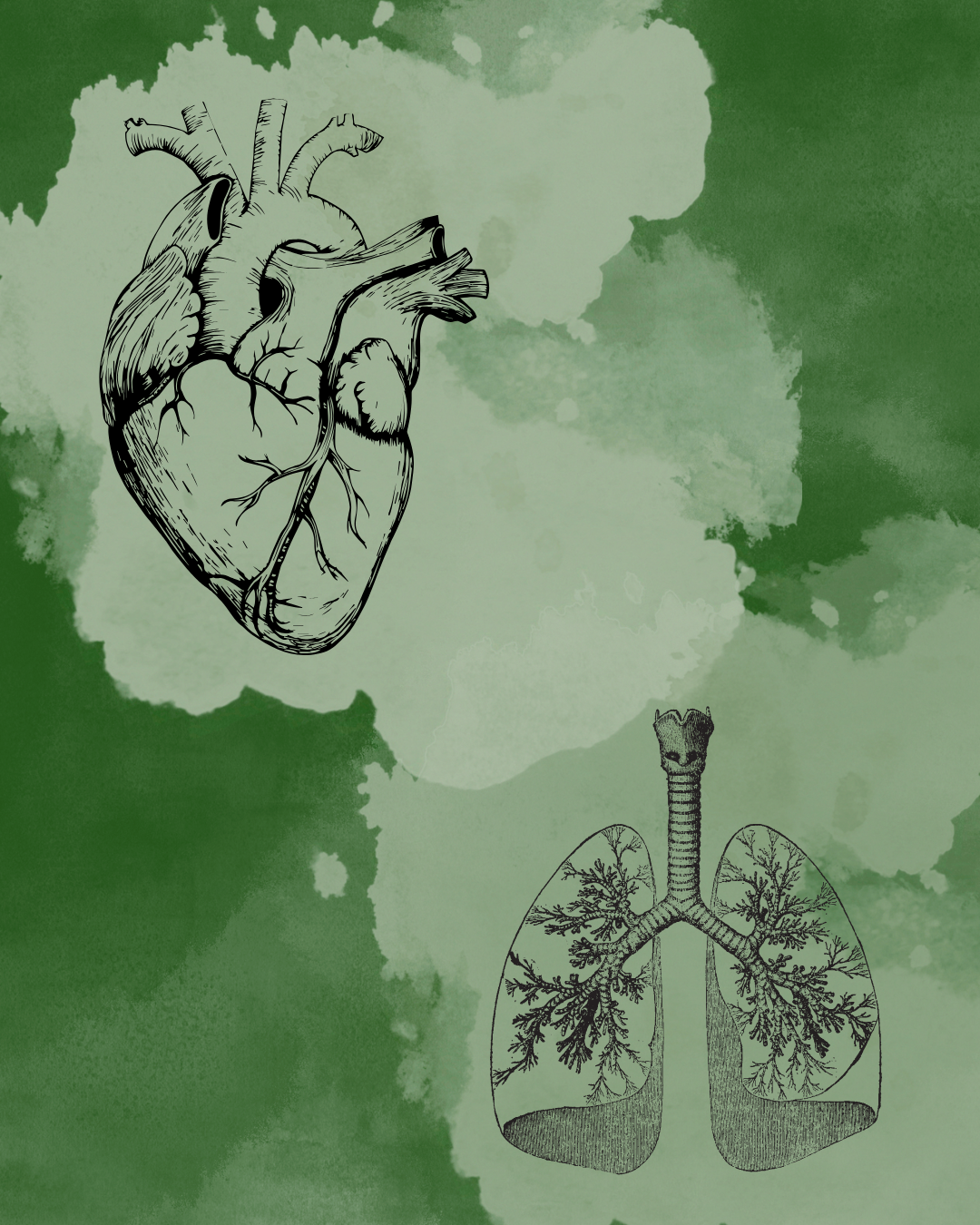
In Traditional Chinese Medicine (TCM), different periods of the night are associated with different organ systems.
What does waking at different times mean in Traditional Chinese Medicine?
9pm–11pm: Triple Burner (San Jiao)
This period is associated with the Triple Burner, a concept in TCM that relates to the coordination of bodily functions, including temperature regulation and the movement of fluids. Traditionally, this time is considered an opportunity for the body to settle towards sleep. Difficulty unwinding might invite reflection on your evening routine, stress levels or how much space you have to transition from the demands of the day.
11pm–1am: Gallbladder
The gallbladder is associated with this period. In TCM, it is linked not only to digestion but also, symbolically, to decision-making and courage. If you regularly wake during these hours, you might use it as an opportunity to reflect on whether you're carrying unresolved decisions or feeling mentally overstimulated. That doesn't mean waking at midnight indicates a gallbladder problem. It simply offers one traditional lens through which to explore your experience.
1am–3am: Liver
This is the one that caught my attention. In the TCM body clock, the liver is associated with the hours between 1am and 3am. The liver is traditionally connected with the smooth flow of qi and the processing of emotions, particularly frustration, anger and stress. When I learnt this, I immediately thought about those nights when I wake at 2am and lie there wondering why I'm awake. Is there something I haven't processed? Am I carrying more than I realise? Is my body trying to tell me something? Perhaps.
There is no reliable scientific evidence that waking at 2am means your liver is struggling or that you have unprocessed anger. There are many possible explanations for waking during the night, including hormonal changes, stress, alcohol, temperature, medication and the natural architecture of sleep. Still, I like the idea of approaching these moments with curiosity rather than frustration. Not because the clock can diagnose me, but because waking up might be an opportunity to notice how I'm feeling.
3am–5am: Lungs
The lungs are associated with this period in TCM and are traditionally connected with grief, letting go and the process of receiving breath. Waking in these early hours might invite a gentle check-in with your breathing, your emotional wellbeing or any grief you are carrying. Again, the timing itself doesn't establish a cause. If you wake at this hour, it doesn't necessarily mean you are grieving or that your lungs are unwell.
5am–7am: Large intestine
In the TCM body clock, this period is associated with the large intestine and the elimination of waste. Within the traditional framework, this is also sometimes interpreted symbolically as a time of release and letting go. From a practical perspective, our bodies have their own circadian rhythms, and bowel activity can be influenced by waking, eating patterns and routine. But there is no evidence that waking at this time necessarily reflects an imbalance in the large intestine.
What I find useful about exploring these associations is not the idea that every waking hour has a definitive meaning. It is the reminder that sleep, digestion, emotions and our daily rhythms are all part of a much bigger picture of wellbeing.
Free guide: 10 tips to Support Your Body Through Perimenopause
Download your free 13 page guide and workbook which offers practical support to help you better understand your changing body and create habits that nourish you through this important transition.
And then there is perimenopause.
For many women, sleep changes are one of the less welcome companions of perimenopause. You might find yourself waking in the early hours when you previously slept soundly. Perhaps you wake feeling hot, even when the room is cool. Perhaps your mind immediately starts working through tomorrow's to-do list, or you feel inexplicably alert, anxious or restless, with no obvious reason for any of it.
For me, waking at 2am has prompted that familiar question: Why am I awake?
Perimenopause can affect sleep in several ways. Fluctuating hormones can contribute to night sweats and hot flushes, which interrupt sleep. Some women also experience increased anxiety, changes in mood or difficulty staying asleep. Sleep can be affected even when you aren't experiencing obvious hot flushes.
There can be other contributors, too, including stress, alcohol, medications, sleep apnoea and changes in our natural sleep rhythms. When you are already navigating the physical and emotional changes of midlife, a disrupted night can have a knock-on effect. You might feel less resilient the following day, more anxious, less able to concentrate or simply as though you are operating with a little less capacity than usual.
It can become a frustrating cycle: you wake, you worry about being awake, and the worry makes it harder to settle back to sleep. Which is why I think it's worth approaching sleep during perimenopause with a little more compassion. Your body isn't necessarily doing something wrong. It may simply be responding to a period of change, and there may be several factors contributing to what you're experiencing.
What can you do when you wake at 2am?
I'm interested in the different ways we can support ourselves through this stage of life, without turning sleep into another area where we feel we are failing.
Here are a few things worth exploring:
1. Get curious, rather than frustrated
When you wake, notice what is happening without immediately trying to solve it. Are you hot? Is your mind racing? Are you feeling anxious, thirsty or uncomfortable? Do you need the loo? Did you stare at your screen a lot in the hours leading up to bedtime? You don't need to find a profound emotional explanation for every waking. Sometimes noticing the practical details is enough to help you identify a pattern.
2. Keep an eye on the bigger picture
If you're waking regularly, consider keeping a simple sleep diary for a week or two. Note when you go to bed, when you wake, whether you're experiencing night sweats or anxiety, and any factors such as alcohol, caffeine, stress, phone usage, or medication changes. This can help you identify patterns and, if necessary, give you useful information to take to your GP or menopause clinician.
3. Take the pressure off falling asleep
One of the hardest things about waking in the night is the urgency we attach to getting back to sleep. We start calculating how little sleep we'll get. We think about how tired we'll feel tomorrow. We try to force ourselves back into unconsciousness. Instead, try softening your jaw, relaxing your shoulders and allowing your breath to become a little slower and easier. You might place a hand on your belly and feel its gentle movement. The intention isn't to make sleep happen. It's to offer yourself a little comfort while you are awake. Instead of ‘trying to sleep’ tell yourself you are letting yourself rest in a dark room. When we take the pressure off falling asleep, sleep comes much more easily. If you feel increasingly alert or frustrated, doing something quiet like reading a book in low light can help (stay off your phone though!) Return when you feel sleepy, rather than watching the clock and becoming more anxious.
4. Support your body through perimenopause
If night sweats, anxiety or repeated waking are affecting your quality of life, you don't have to simply put up with them. Depending on your circumstances, options may include HRT (or reviewing your current prescription of HRT) or other medication with your clinician, addressing any underlying sleep conditions, and exploring cognitive behavioural therapy for insomnia, if insomnia has become persistent. Simple measures can also help, such as keeping your bedroom comfortable, maintaining a regular waking time and considering how caffeine and alcohol affect your sleep. There is no single solution that works for everyone, and you deserve support that takes your symptoms seriously.
5. Explore rest beyond sleep
This is something I return to again and again in my yoga practice. Rest isn't only about the hours we spend asleep. It's also about how we move through our waking hours, whether we allow ourselves moments of stillness, and how much pressure we place on ourselves to keep going. It’s turning the thought “how much can I get done today and how quickly” to “how relaxed can I be whilst doing it?”. Gentle yoga, restorative practices, breathing exercises and Yoga Nidra help to support the body to wind down and restore. They aren't guaranteed cures for insomnia, but they may help you create more space for rest and relaxation in your day.
What if waking at 2am is an invitation to listen?
I don't think we need to take every traditional interpretation literally to find value in it. The TCM body clock doesn't give us a definitive explanation for why we wake at 2am but it has encouraged me to think more broadly about the relationship between the body, our emotions and the rhythms of our lives.
Perimenopause can be a time when things that once felt familiar begin to change. Our energy changes. Our sleep changes. Our capacity for doing everything, being everything and holding everything together change, too. We need to be more in tune with what we need because our bodies are no longer quite so willing to let us ignore it.
Sometimes though we're simply waking up because our hormones are fluctuating, we're too warm, or we've had a stressful day. Both can be true: there may be a practical explanation for a disrupted night, and we can still use the experience as an opportunity to check in with ourselves.
The next time I wake at 2am, I hope I can resist the urge to look at the clock, calculate my remaining hours of sleep and immediately start worrying about tomorrow. Instead, I want to meet myself where I am. To soften rather than struggle. To breathe rather than brace. To remember that being awake in the middle of the night isn't a personal failure.
And to recognise that caring for myself in perimenopause isn't about finding a perfect routine that guarantees I will never wake again. It's about learning to respond to my body with a little more understanding, and a little less criticism.
Sometimes the most powerful pause is the one we take when things aren't going to plan. Even at 2am.
If you're experiencing persistent sleep disruption during perimenopause, particularly alongside night sweats, significant anxiety, daytime exhaustion, its a good idea to speak to your GP or menopause specialist.
Ready to feel more at home in your changing body?
I was 38 when I first started to notice changes in my body. I found myself searching for answers and realised that much of the support I was looking for didn’t exist. So I created it. Powerful Perimenopause was born from my own need to understand my changing body — and a desire to create the support I wished I’d had. It’s the culmination of hundreds of hours studying women’s health, nervous system regulation, yoga, embodiment and coaching, alongside my own experience of navigating this transition.

Hi, I’m Bea…
I help sensitive, purpose-driven women feel safe to rest, receive & thrive.
Through holistic coaching and restorative retreats, I help sensitive, purpose-driven women to slow down, reconnect with themselves and create a life that feels deeply aligned with who they are.
Because when your body remembers that it's safe, rest becomes possible. And from there, everything changes.
Enjoyed this article? You may also like:
Perimenopause: A Journey of Rest, Reflection and Reconnection
Why You're Struggling at Work During Perimenopause (It's Not What You Think)
The Reinvention Years: Why Women Redefine Their Lives in Their 40s
Perimenopause, Ovulation and Mood Swings: Understanding the Day 12 Crash
7 Best Yoga Poses for Female Hormones: Supporting Your Body Through Perimenopause
The Throat-Womb-Heart Connection: The Hidden Power of the Female Body
Why Women Hold Tension in the Jaw and Pelvic Floor (And What it Means)
Cyclical Living During Perimenopause: Learning to Trust Your Body Again
Photo credits: Polina Kovaleva and Ron Lach via Pexels.