
Is the Yoga Industry Changing? An Honest Conversation About Teaching Yoga
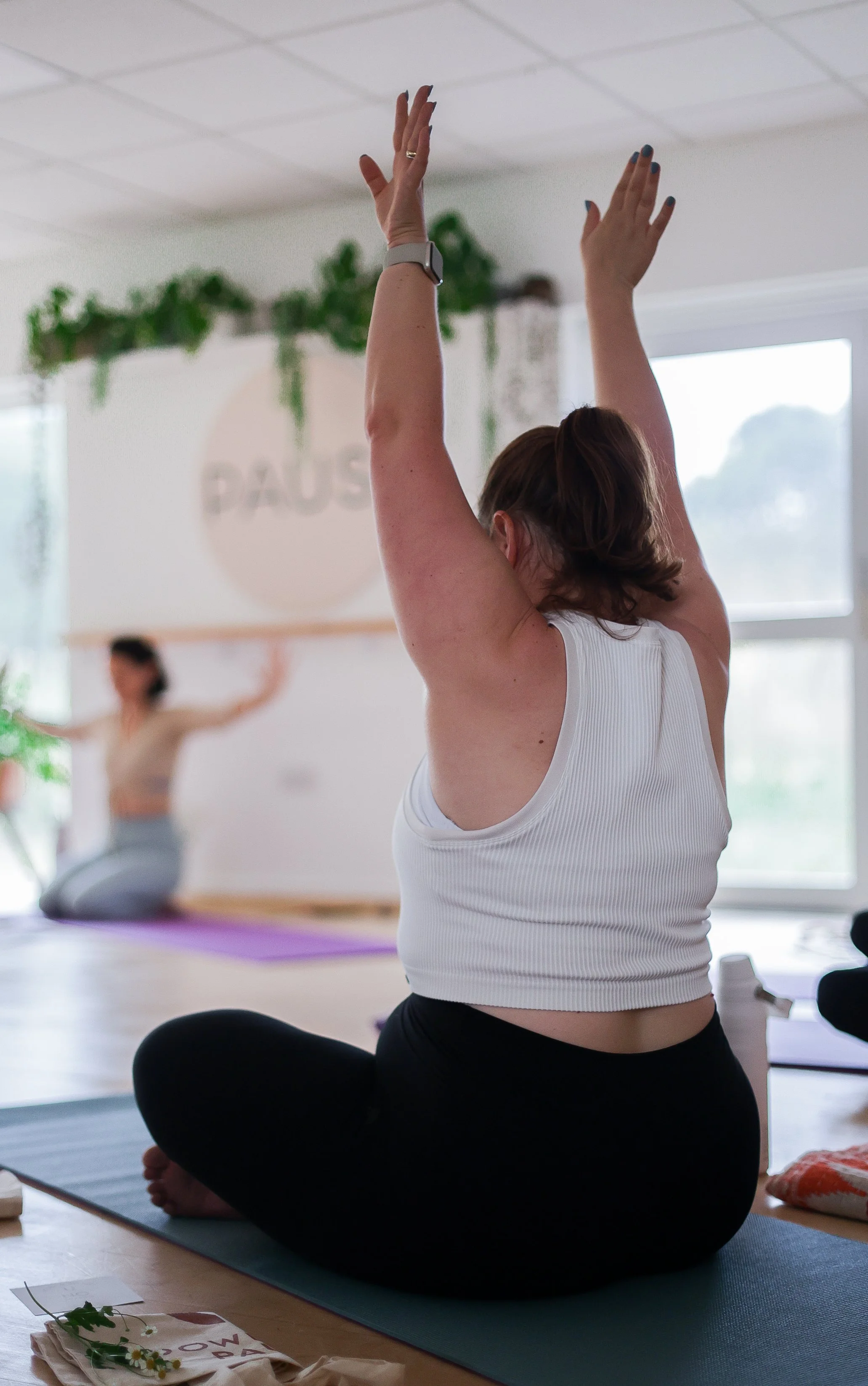
are we falling out of love with yoga — or simply finding new ways to stay fit?
I've been noticing something lately, and I wanted to talk about it. My yoga class numbers are dropping. Whilst there will always be fluctuations in attendance, it's got me wondering whether something bigger is happening in the yoga industry.
Are people falling out of love with yoga? Are we seeing a shift in what people want from their fitness and wellbeing practices? Or is it simply becoming harder for yoga teachers to sustain their work in an increasingly saturated market?
I don't have the answers. But I think it's a conversation worth having.
Are we falling out of love with yoga?
I recently read an article in the Telegraph asking whether Britain has fallen out of love with yoga. It explored the changing fitness landscape, the closure of established studios such as London’s Triyoga , the rising popularity of reformer Pilates, strength training, HYROX, and the impact of online classes on the way people practise.
Yoga has become so much more accessible over the years, a shift accelerated by the Covid pandemic, when classes moved online and people could practise from the comfort of their own homes. It’s convenient, we can follow are favourite teachers online, and find a class for almost every style, mood and budget. Anything that makes yoga more accessible has got to be a good thing, right? But I wonder whether the sheer volume of choice and accessibility has changed our relationship with the practice.
We're living in a world where there's always a new fitness trend to try, another wellness practice to explore and another way to optimise ourselves. Reformer Pilates, strength training, HYROX — the fitness landscape is constantly evolving. In an increasingly saturated wellness marketplace, where does yoga fit in? And perhaps, more importantly, what are people actually looking for when they come to a class?
When yoga becomes just another workout
One of the things I've always loved about yoga is that it offers something beyond the physical. Of course, movement matters. Building strength, improving flexibility and supporting our physical health are all valuable reasons to practise. But yoga can also invite us to slow down, turn inwards and develop a different relationship with ourselves.
It teaches us to sit with discomfort, to notice our habitual patterns and to become more aware of what we need. It can offer space to breathe when life feels overwhelming, or permission to rest when we're used to pushing through.
For me, these quieter aspects of yoga are just as important as the physical practice.
Yet I sometimes wonder whether the way yoga is presented in the modern wellness world has shifted our attention away from some of these deeper elements. When so much of what we see online focuses on impressive poses, beautiful studios and carefully curated aesthetics, it's easy to lose sight of the internal experience.
Yoga was never supposed to be about how a pose looks. Whilst there's absolutely nothing wrong with enjoying the physical side of the practice, I believe there's something worth protecting in the philosophy, the breath, the meditation and the stillness, too. Perhaps the question isn't whether yoga needs to compete with the latest fitness trend but actually - are we making enough space for everything yoga can be?
The reality of teaching yoga
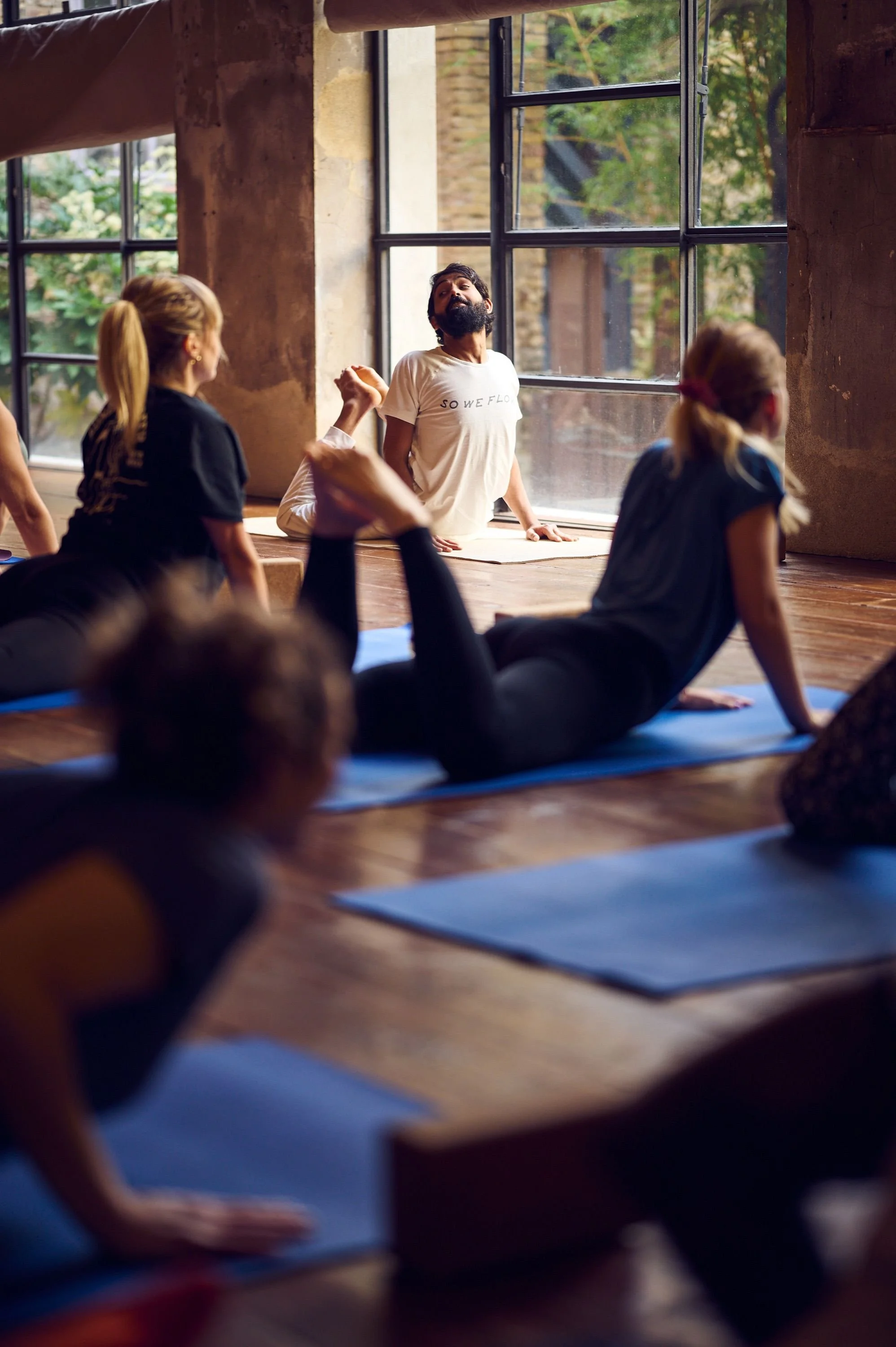
There's another side to this conversation, too: the reality of being a yoga teacher. It's one thing to love teaching. It's another to build a sustainable livelihood around it. Studio hire, insurance, training, travel, preparation and the hours spent planning classes all take time and money. And when fewer students attend or classes get cancelled, the financial impact can be significant.
As teachers, we can pour so much of ourselves into creating thoughtful, welcoming spaces for people to practise. When attendance drops, it's natural to wonder what's changed. Is it the timing? The location? The price? The class itself? Are people choosing to practise at home, or spending their money elsewhere? Sometimes there will be a straightforward explanation. Other times, it's difficult to know.
I think it's important that we can talk about these challenges honestly, without interpreting quieter classes as a reflection of our worth or our ability as teachers. Attendance will always fluctuate. A quieter class doesn't automatically mean that the teaching isn't good or that the practice isn't valuable. But it is worth paying attention to what's happening around us, particularly if we're trying to make teaching a sustainable career.
A changing industry
The recent discussions around Yoga Alliance have added another dimension to the conversation. As the organisation moves towards changes to its credentialing and membership framework, teachers are considering what professional recognition, standards and support should look like in the years ahead.
There are understandable questions about the value of credentials, the practicalities of any transition and what these changes will mean for individual teachers and yoga schools.
For me, it raises a broader question: what does the yoga teaching profession need right now? How do we support teachers to develop their skills, teach responsibly and build sustainable businesses, whilst respecting the diversity of yoga traditions and approaches?
And how do we make sure that the people holding these spaces are supported, too? I don't think there's one simple answer. But I do think these conversations matter, particularly at a time when many teachers are navigating changes in attendance, rising costs and an increasingly competitive wellness market.
What does yoga need right now?
I keep coming back to the question of what people are looking for when they come to yoga. Some people want a stronger physical practice. Others might be looking for community, connection or a way to support their mental wellbeing. While some want to deepen their understanding of yoga philosophy, others may simply need an hour in which nobody expects anything from them.
There is room for all of these things. Yoga's strength lies precisely in its ability to meet people in different places, at different times in their lives. I don't believe the answer is necessarily to make yoga trendier, more results-based or more complicated. Nor do I think we need to cling rigidly to one way of practising or teaching.
Yoga has evolved throughout its long history, and it will continue to evolve. I hope we can keep asking ourselves what we're evolving towards, and what we want to preserve along the way whilst teaching in a way which respects and honours yoga’s ancient’s roots.
For me, that means continuing to create spaces where people can slow down, feel safe enough to turn inwards and experience yoga as more than another thing to achieve. It means remembering that the value of a practice isn't always visible from the outside. It also means recognising that the work we do as teachers can matter deeply, even when a class isn't full.
Yoga teachers, I'd love to hear from you
I'm sharing this because I'm genuinely curious about what other teachers are experiencing. Have your class numbers dropped recently? Are your classes thriving? Have you noticed a shift in the kinds of classes people are booking, or what they're looking for from yoga? How are you feeling about the changing fitness and wellness landscape, and the recent Yoga Alliance discussions?
I'd love to hear your experiences, whether you're teaching in a studio, a community space, a gym or independently. I don't have a neat conclusion to offer. I simply think it's important that we can talk openly about the realities of teaching yoga, the changes we're noticing and the future we want to help shape.
Let's have an honest conversation. I’d love to hear your thoughts in comments below.
Bea x
PS If you’d like to practise with me, you can find out more about my classes, here.

Hi, I’m Bea.
I help sensitive, purpose-driven women feel safe to rest, receive & thrive.
Through holistic coaching and restorative retreats, I help sensitive, purpose-driven women to slow down, reconnect with themselves and create a life that feels deeply aligned with who they are.
Because when your body remembers that it's safe, rest becomes possible. And from there, everything changes.